
Can You Permanently Remove Seborrheic Keratosis?
Seborrheic keratosis is a very common skin growth that many people notice as they get older. Although these lesions are harmless, they can become thicker, darker, or more noticeable over time, prompting questions about long-term solutions. One of the most frequent concerns is whether removal is truly permanent or if the growth will simply return.
In this article, we explain whether seborrheic keratosis can come back after treatment, what determines permanent removal, and which treatment options offer the most reliable results.
Is Permanent Removal Possible?
Permanent seborrheic keratosis removal is achievable when it is treated correctly.
Once a lesion has been fully and properly removed, it does not regenerate in the same location. Unlike some skin conditions that flare up again, seborrheic keratosis does not grow back if the treated growth has been completely eliminated.
Permanent removal depends on three key factors:
- Accurate diagnosis to confirm that the lesion is truly a seborrheic keratosis
- Complete removal of the entire growth rather than partial treatment
- Proper healing in the weeks following the procedure
When these elements are in place, recurrence at that exact site is unlikely. What patients sometimes interpret as regrowth is usually either a new lesion forming nearby or incomplete initial removal, not the same growth returning after definitive treatment.
When Should You Consider Seborrheic Keratoses Removal?
Although seborrheic keratoses are benign, removal may be appropriate if the lesion:
- Becomes irritated, itchy, or painful
- Bleeds due to friction
- Causes cosmetic concern
- Changes in appearance and requires confirmation
Professional assessment ensures the lesion is correctly identified before treatment proceeds.
Why Surgical Excision Is the Most Suitable Treatment for Permanent Removal
When the goal is definitive and permanent removal, surgical excision offers the highest level of precision and diagnostic certainty.
Seborrheic keratoses sit on the skin’s surface, but thicker or atypical lesions can extend deeper than they appear. Treatments such as cryotherapy or laser therapy remove visible tissue, but they do not always allow for laboratory confirmation and may be less controlled in certain cases.
Surgical excision provides several key advantages:
- The entire lesion is removed in a controlled manner
- Tissue is sent for pathology analysis to confirm the diagnosis
- The depth of removal can be carefully tailored to the lesion
- Healing is predictable with appropriate aftercare
At Waverley Park Minor Surgery Clinic, seborrheic keratoses are removed using careful surgical excision under local anaesthetic. The technique focuses on complete lesion removal while preserving surrounding healthy skin to support optimal cosmetic healing.
For patients seeking both permanent removal and diagnostic reassurance, surgical excision offers the most reliable approach.
What Happens During the Procedure?
Seborrheic keratosis removal is performed in a clinical setting and follows a clear, structured process designed to ensure accurate diagnosis, safe treatment, and predictable healing.
Consultation and Clinical Assessment
Your GP will examine each lesion carefully to confirm the diagnosis and ensure it is suitable for removal. Not every pigmented or rough skin lesion is a seborrheic keratosis, so accurate assessment is essential.
The procedure will be explained in full, including expected healing time, possible scarring, and any risks. This allows you to make a properly informed decision before proceeding. If there is any uncertainty about the nature of the lesion, or if it displays features that require closer evaluation, this will be addressed before treatment.
Surgical Excision Under Local Anaesthetic
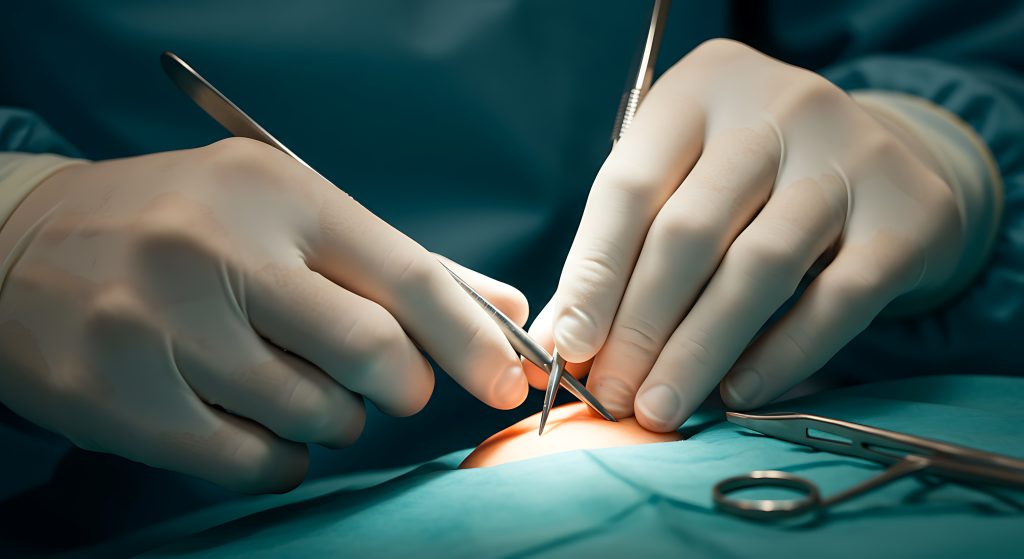
A small injection of local anaesthetic is administered to numb the area completely. Once numb, the lesion is carefully removed using a scalpel or curette, excising it cleanly from the skin surface.
The wound is typically small and is dressed before you leave. If sutures are required, they are placed at the time of removal. The procedure is usually completed in a single session and is designed to produce a clean, controlled result.
Histological Analysis
All excised tissue is sent to an accredited laboratory for histological analysis. This confirms the benign nature of the lesion and ensures that no unexpected pathology is present. Laboratory confirmation provides an additional level of reassurance beyond visual assessment alone.
Aftercare and Healing
Seborrheic keratosis removal generally requires minimal aftercare. The treated site is usually small and heals within one to two weeks.
You will leave with clear written aftercare instructions. If sutures have been placed, they can be removed at Waverley Park or at your own GP surgery, depending on your preference. Most patients are able to return to normal daily activities immediately after the procedure.
Why Choose Waverley Park Minor Surgery Clinic for Seborrheic Keratosis Removal?
At Waverley Park Minor Surgery Clinic, seborrheic keratosis removal is carried out with clinical precision and a strong focus on reassurance, safety, and cosmetic outcome. While these lesions are benign, accurate diagnosis and careful removal are essential to ensure complete treatment and peace of mind.
Experienced Minor Surgery Expertise
With over 20 years of experience in minor surgical procedures, our clinicians specialise in the precise excision of benign skin lesions. Removal is performed under local anaesthetic in a fully equipped clinical setting, ensuring the procedure is comfortable, controlled, and efficient. Our goal is complete removal in a single, definitive session.
Comprehensive Assessment Before Treatment
Every lesion is assessed thoroughly before removal. We confirm the diagnosis, evaluate the characteristics of the growth, and exclude more serious conditions. Where appropriate, excised tissue is sent for histological analysis to provide additional diagnostic certainty and reassurance for both you and your GP.
Cosmetic Focus and Structured Aftercare
Seborrheic keratoses frequently occur on visible areas such as the face, chest, or back. Careful technique and gentle tissue handling help support optimal healing and minimise scarring wherever possible. Clear written aftercare guidance is provided, and support remains available should you need advice during recovery.
Frequently Asked Questions
What is the main cause of seborrheic keratosis?
The exact cause of seborrheic keratosis is not fully understood. Ageing and genetic predisposition are the most significant factors, which is why these lesions become more common over time and often run in families. Sun exposure may also contribute, particularly on areas such as the face, chest, and back. They are not caused by infection and are not contagious.
Does seborrheic keratosis always come back after removal?
No. When properly removed, the treated lesion does not usually return. However, new lesions may develop elsewhere over time, particularly as part of the natural ageing process. It is common for patients who have one seborrheic keratosis to develop others in different areas later in life.
Is seborrheic keratosis cancerous?
No. Seborrheic keratosis is benign and does not turn into skin cancer. However, some skin cancers can resemble seborrheic keratosis in appearance. For this reason, professional diagnosis is important before any treatment is undertaken.
Can creams permanently remove seborrheic keratosis?
Over-the-counter creams are generally ineffective at permanently removing seborrheic keratosis. While some products claim to reduce their appearance, they do not eliminate the lesion completely. Professional removal remains the most reliable and definitive treatment.
Is removal painful?
Removal is performed under local anaesthetic. You may feel brief stinging during the injection, but once the area is numb, the procedure itself is usually comfortable. Mild tenderness afterwards is common and typically settles within a few days.
Leave a reply