
Having a mole removed is a significant decision, whether driven by health concerns or cosmetic reasons. If you are looking for professional and discreet mole removal in Glasgow, understanding the process is essential. This comprehensive guide covers everything from recognising potentially concerning types of mole to navigating the available treatment options and ensuring a beautiful recovery. We will delve into the nuances of different removal methods, from excision to shave techniques, to help you feel confident and informed before your consultation.
Mole Removal Glasgow: Safe & Effective Skin Lesion Removal
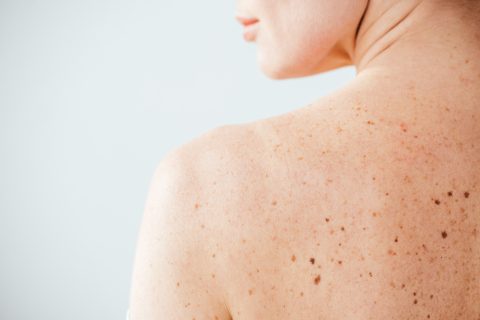
Safe and Expert Mole Removal Glasgow: The Definitive Guide to Treatment and Aftercare
What are the common types of mole and why do people seek mole removal?
A mole (or nevus) is a common skin growth arising from clusters of pigment-producing cells called melanocytes. They can appear anywhere on the body and vary significantly in colour, shape, and size. Understanding the different mole types is the first step in determining the correct course of action. Most moles are considered benign, meaning they pose no health risk. These common mole types often include dermal moles (raised, dome-shaped) and junctional moles (flat, brown). These are generally common skin growths that appear during childhood and adolescence.
However, a mole may sometimes cause discomfort or anxiety. People often seek to remove moles for two primary reasons: medical and aesthetic. Medically, any mole that shows signs of skin cancer requires immediate and definitive removal through the NHS. Aesthetically, a large, raised mole on an exposed area, or one that catches on clothing, can be a source of irritation or self-consciousness. When a mole is removed for cosmetic reasons, the focus shifts heavily towards achieving an optimal cosmetic results, which is why choosing an experienced surgeon is paramount.
Worried about a mole: When should you arrange a consultation for mole removal?
While most moles are harmless, vigilance is vital for early detection of skin cancer. If you find yourself worried about a mole, you should use the ‘ABCDE’ criteria as a guide: Asymmetry, Border irregularity, Colour changes, Diameter (over 6mm), and Evolving (any change in size or appearance). If a mole bleeds, itches, or crusts, it should also be professionally checked. These potential signs of skin cancer mean you should seek a consultation promptly with your own GP.
For individuals seeking mole removal for cosmetic or aesthetic reasons, waiting times may be longer, especially through the NHS, which prioritizes cancerous cases. If your goal is purely cosmetic, seeking a private mole removal service at a specialist clinic in Glasgow like Waverley Park is usually the faster and more appropriate route. An expert mole professional can visually inspect the area, provide reassurance if the mole is benign, and discuss the full range of treatment options available to you.
Why seek expert mole removal in a specialist clinic in Glasgow like Waverley Park?
When opting for mole removal, especially for prominent lesions or those in sensitive areas like the face, expertise is non-negotiable. An expert mole removal specialist possesses the advanced technical skills necessary for precise mole removal. At Waverley Park we prioritise both medical safety (ensuring the entire mole is removed and checked for pathology) and aesthetic outcomes (using fine suturing techniques to minimise scar formation).
Why Choose to have a mole removed in Glasgow?
There are several reasons you may consider having a mole removed:
- Improved appearance:Moles can be unsightly or interfere with clothing or jewellery.
- Peace of mind: If you’re concerned about a mole’s potential for developing into skin cancer, removal can provide peace of mind.
- Elimination of discomfort: Some moles can be itchy, painful, or irritating. Removing them can alleviate these symptoms.
What happens during a comprehensive mole consultation and assessment?
The consultation is an important stage of the mole removal process. This is where the doctor will thoroughly assess your mole, review your medical history, and understand your expectations. The professional will perform a detailed examination using a dermatoscope—a specialized device that magnifies the mole—to look for subtle architectural features that could indicate malignancy. This thoroughness is central to a comprehensive mole management plan.
During this important consultation, the specialist will determine the appropriate removal method and discuss the likelihood of a scar. Factors influencing this decision include the location of the mole, the mole’s size, and whether the mole cells appear to be deep or superficial. The doctor will also address your anxiety, explaining that the procedure is minor, is performed under local anaesthesia, and has a high success rate. This initial consultation for mole removal should leave you feeling fully informed and ready for the procedure.
What are the main types of mole removal techniques available?
There are several types of mole removal techniques, each suited to different mole characteristics. The three primary mole removal methods are excision (surgical cutting), shave removal, and less commonly, laser removal (not offered at Waverley Park). The choice of technique impacts the scar outcome and the necessity of a biopsy. A skilled surgeon will select the best option depending on the mole’s specific features to ensure complete removal.
Surgical removal (excision) is the gold standard when malignancy is suspected or for deep lesions, as it removes the mole completely, allowing for a thorough biopsy. Shave techniques are preferred for raised, benign moles where the aim is primarily cosmetic. This method slices the mole flush with the skin surface. Understanding these mole removal techniques is crucial for setting realistic expectations for your removal outcome.
How do surgical excision and shave removal methods differ in practice?
Excision is a more invasive form of removal and is considered the most reliable method for ensuring the entire mole is removed, reducing the risk of recurrence. During this mole removal surgery, the doctor cuts out the mole using an elliptical shape and then closes the wound with sutures, both internal and external. This technique guarantees that the specimen is intact and ready for biopsy. While this always results in a linear scar, a skilled specialist works hard to minimise its visibility.
In contrast, shave removal is much faster and less invasive. It is ideal for dome-shaped, benign moles that protrude from the skin. The surgeon uses a thin, sharp blade to remove the mole at skin level. The base of the wound is then sealed (cauterised) without the need for stitches. This removal method results in a flat, circular mark that often heals to be less noticeable than an excision scar. However, because the tissue is less intact, the depth of the mole cannot be fully verified, and it is not typically used if the mole shows worrying characteristics.
What Should you Expect from the Mole Removal Procedure?
The procedure will be performed under local anaesthetic and should take approximately 30 minutes. The procedure may leave a scar, but it should fade over time. We’ll send the sample to our local pathology lab for confirmation of the diagnosis and notify your GP of the results.
Does the type of mole removal determine the severity of the scar?
Yes, the technique used significantly influences the appearance of the final scar. Excision creates a straight-line scar that can be several centimetres long, depending on the mole’s initial size and the safety margin required. Though it leaves a scar, this line can be precisely closed by the surgeon to minimise tension and make it blend with the skin’s natural lines, offering predictable healing.
In contrast, shave removal typically leaves a flat, often slightly paler area that looks like a small depression, rather than a raised line. For the cosmetic removal of raised lesions, this often delivers a superior aesthetic result. It is also important to consider the healing process in areas such as the face, where blood supply is rich and healing is fast, compared to areas of high movement like the back, which are prone to stretching and wider scar formation. Proper aftercare is key to managing any scar outcome
What specific aftercare steps are vital following your mole removal?
Aftercare is crucial for preventing infection and ensuring the best possible aesthetic outcome. After your mole removal, the doctor will apply a dressing. You must keep the wound site and the area clean and dry for the first day or two, following the specific instructions provided. If stitches were used during the excision or mole removal surgery, they will need to be removed after a set period, typically between 5 and 14 days.
You will likely be advised to avoid heavy exercise or strenuous activity that could put tension on the wound, especially if the mole was large or in a high-tension area. Once the sutures are out and the surface of the skin has healed, you should protect the surrounding skin from the sun, as UV exposure can cause new scar tissue to darken and become more noticeable. Taking simple steps, such as keeping the area around the mole covered or using high-factor sunscreen, will minimise the risk of long-term discoloration and help secure the optimal cosmetic results.
How does the removal of a mole differ from a cyst removal?
While both cyst removal and mole removal are common minor surgical procedures, they differ significantly in their biological nature and surgical approach. A mole is a collection of pigment cells, whereas a cyst is a sac-like pocket under the skin containing fluid or semi-solid material. Cysts must be removed whole, including the entire sac wall, to prevent recurrence. This requires a meticulous excision and deeper dissection by the surgeon.
The removal process for a cyst is focused on retrieving the complete sac, which is often attached to the deeper layers of the surrounding skin. For a mole, especially a superficial one that is simply removed for cosmetic reasons, a shallower shave may suffice. However, in both procedures, the area will be numbed using a local anaesthetic (used to numb the area), and the tissue is usually sent off for pathological review to confirm the diagnosis. The principles of sterile technique and meticulous wound closure remain central to both mole removal techniques.
What is the Cost of Mole Removal at Waverley Park?
Initial Consultation: £50 (deductible from cost of procedure)
Procedure: £500
Key Points to Remember:
- Consultation First: Always seek a professional consultation with your GP to assess your mole and confirm it is either benign or, if cancerous, that it is properly dealt with.
- Technique is Chosen by the Mole: The best removal method depends on the depth, size, and type of mole. Excision (surgical) offers the most reliable way to remove the mole completely and allow for a definitive biopsy.
- Aesthetic Priority: Choosing a specialist for expert mole removal focuses on precise mole removal and meticulous suturing to achieve a minimal scar.
- Pain Management: The procedure is fast, minor, and virtually pain-free because it is performed under local anaesthetic.
- Post-Procedure Care: Strict adherence to aftercare instructions, including keeping the area clean and dry and protecting the site from the sun, is crucial for good healing and achieving the desired cosmetic results.
© 2024 Waverley Park Minor Surgery. All rights reserved.