
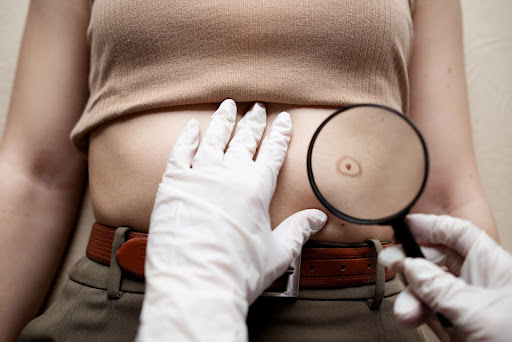
Is It Safe To Remove Moles Yourself?
Is It Safe To Remove Moles Yourself?
Many people notice a mole that catches on clothing, becomes irritated, or affects confidence, and start to wonder whether it can be removed at home. Online videos, home freezing kits, and so-called natural remedies often make self-removal seem quick and inexpensive, but these methods carry significant risks and are strongly discouraged by medical professionals.
In this article, we explain why removing moles yourself is unsafe, the potential risks involved, and why professional medical assessment and removal remain the safest option.
This article is one of a series of blogs on mole removal. For a full overview covering costs, procedure, scarring and recovery, visit our Complete Guide to Mole Removal.
Why People Consider Removing Moles at Home
Many people think about trying to remove a mole at home because it appears small, raised, or has been present for years without causing any obvious issues. Online advice and easy access to over-the-counter products can reinforce the idea that it is safe to remove a mole at home using methods such as cutting, burning, freezing, or tying it off.
However, there are no FDA-approved drugs indicated to treat moles or skin tags, which means these at-home methods are not medically endorsed.
In practice, it is not possible to determine whether a mole is safe without a proper medical assessment. Even moles that look harmless on the surface can have deeper changes or hidden risks that only a trained medical professional can accurately identify.
The Risks of Removing Moles Yourself
It may seem tempting to remove a mole at home, especially if it is small, raised, or long-standing. However, DIY mole removal carries significant medical risks that are not always obvious. Unlike professional procedures, home methods do not allow for proper assessment, sterile technique, or safe follow-up.
Here are the key risks of removing a mole yourself:
Infection and Poor Healing
Home removal methods are not carried out in a sterile environment. Cutting, burning, or freezing the skin without medical training significantly increases the risk of infection, which may cause redness, swelling, pain, discharge, and delayed healing. In more serious cases, infection can spread and require antibiotic treatment or further surgical care.
Increased Scarring and Chemical Burns
DIY mole removal often damages surrounding healthy skin. This can result in scars that are larger, darker, or more irregular than those created by planned minor surgery.
Home methods such as cutting, freezing, or applying acidic/caustic chemicals can also cause chemical burns, further increasing the risk of permanent scarring, especially if the wound becomes infected or heals poorly.
Risk of Missing Skin Cancer
One of the most serious dangers of self-removal is the risk of missing an early diagnosis of melanoma. When a mole is removed at home, the tissue cannot be sent for biopsy, meaning potentially cancerous changes go undetected. Skin cancer is the most common cancer in the UK, and early diagnosis plays a critical role in successful treatment.
Incomplete Removal and Regrowth
Many home methods only remove the visible surface of a mole. Deeper mole cells can remain beneath the skin, causing the mole to regrow. Regrowth may appear irregular or distorted, making future assessment more difficult and often increasing concern and uncertainty.
When Should a Mole Be Checked by a GP?
Any mole that changes or causes concern should be assessed by a healthcare professional. You should contact your NHS GP if you notice a mole that:
- Has changed in size, shape, or colour
- Is painful or itchy
- Is inflamed, bleeding, or crusty
- Appears as a new or unusual mark that has not healed after a few weeks
Early assessment is crucial, as detecting melanoma at an early stage greatly improves the effectiveness of treatment.
Why Professional Mole Removal Is the Safer Option
Professional mole removal is carried out in a clinical setting under local anaesthetic, using sterile instruments and established minor surgery techniques. Before removal, the mole is carefully examined to confirm whether it is suitable for cosmetic treatment or requires NHS referral.
Choosing a professional approach ensures safety, accuracy, and optimal results.
Sterile Environment
Clinical mole removal takes place in a fully controlled, sterile environment, which dramatically reduces the risk of infection compared with home-based methods. Sterile instruments, gloves, and antiseptic protocols ensure that the procedure is performed under safe conditions.
This helps prevent complications such as redness, swelling, pus, or delayed healing, which are common risks when attempting to remove a mole yourself at home.
Short Recovery Times
Because professional procedures are minimally invasive and precisely targeted, patients typically experience shorter recovery periods. Most minor mole removals are completed under local anaesthetic in a single session, and normal daily activities can usually resume within 24–48 hours.
Careful surgical technique also minimises tissue trauma, reducing discomfort and the likelihood of prolonged healing or complications.
Predictable Cosmetic Outcomes
Professional mole removal is designed to produce consistent and aesthetically pleasing results. Clinicians carefully plan the removal technique, taking into account the mole’s size, depth, and location. This level of precision ensures that the final appearance of the skin is as smooth and natural as possible, which is particularly important for visible areas such as the face, neck, or hands.
Reduced Scarring
Unlike DIY removal methods, which often damage surrounding skin, medical procedures are performed with exact precision to preserve healthy tissue. Techniques like shave excision or surgical excision are tailored to the mole’s characteristics, significantly lowering the risk of permanent, thick, or irregular scars. If sutures are required, trained clinicians can place them strategically to optimise healing and further minimise scar visibility.
Pathology Testing and Safety
One of the most important advantages of professional mole removal is that the excised tissue can be sent for pathology testing. This ensures that any potentially abnormal or cancerous cells are identified early, providing a crucial safety net that DIY methods completely lack. Early detection of melanoma or other skin cancers significantly improves treatment outcomes and peace of mind.
What Does Medical Mole Removal Involve?
Medical mole removal at Waverley Park is a minor surgical procedure carried out under local anaesthetic, designed to be safe, precise, and comfortable.
- Consultation and Assessment: Your appointment begins with a review of your medical history and a detailed examination of the mole using a dermatoscope. This magnified assessment identifies any features that may be concerning and helps determine whether the mole is suitable for cosmetic removal.
- Local Anaesthetic: Once you decide to proceed, the area around the mole is numbed to ensure the procedure is pain-free.
- Mole Removal: The procedure typically takes around 30 minutes. The doctor performs either a shave removal for raised, benign moles or a surgical excision for deeper lesions, depending on what was agreed during the consultation.
- Dressings and Aftercare: A sterile dressing is applied, and you receive clear, written aftercare instructions to support healing and minimise scarring.
- Pathology Testing: The removed tissue is sent to a local pathology laboratory for biopsy to confirm the diagnosis. Your NHS GP is informed of the results, keeping your medical records up to date.
Why Choose Waverley Park Minor Surgery Clinic for Mole Removal?
Waverley Park Minor Surgery Clinic in Glasgow provides safe, medically supervised mole removal in a professional clinical setting. Our experienced GPs prioritise patient safety, accurate assessment, and reliable cosmetic outcomes, offering a trusted alternative to unsafe DIY mole removal.
Medically Led Mole Removal
With over 20 years of experience in minor surgery, our general practitioners are trained to assess and remove a wide range of skin lesions, including moles, cysts, and lipomas. All procedures are performed using sterile techniques and evidence-based methods to ensure the highest standards of safety and care.
Individual Assessment and Treatment Planning
Every mole is assessed individually using dermatoscopy to determine whether it is safe for cosmetic removal or requires NHS referral. Treatment is tailored to the mole’s size, depth, and location, with clear explanations provided so you can make informed decisions about your care.
Clear Pricing and Comprehensive Aftercare
We offer transparent, upfront pricing with no hidden costs. Mole removal includes local anaesthetic, pathology testing, communication of results to your NHS GP, and detailed aftercare guidance to support safe healing and minimise scarring.
[/vc_column_text][/vc_column][/vc_row]
Frequently Asked Questions
Is at-home mole removal safe?
At-home mole removal is not safe and is strongly discouraged by medical professionals. Attempts to remove the mole yourself using cutting, burning, freezing, or tying methods are not sterile and carry a high risk of infection, scarring, and incomplete removal.
Can you tie off a mole like a skin tag?
No, moles should never be tied off or removed at home. Unlike skin tags, moles can contain deeper cells and may be potentially cancerous. Attempting to remove a mole yourself, whether by tying, cutting, freezing, or burning, carries serious risks, including infection, scarring, incomplete removal, and missed early diagnosis of skin cancer. Professional assessment and medical removal are essential for safety.
Are there any risks with mole removal?
Professional mole removal is generally very safe, but minor risks can include temporary redness, swelling, bruising, or scarring. These risks are greatly reduced in a clinical setting using sterile instruments and trained practitioners. DIY mole removal carries much higher risks, including infection, irregular or permanent scarring, incomplete removal, and failure to detect melanoma.
How do I know if a mole is cancerous?
It is not possible to determine whether a mole is cancerous without professional assessment. Doctors use the ABCDE criteria to identify concerning moles. Any mole that bleeds, itches, crusts, or changes should be assessed by a healthcare professional and, if removed, sent for biopsy to confirm whether it is benign or malignant.
When should I see a doctor about my mole?
You should see your GP if a mole changes in size, shape, or colour, becomes painful, itchy, inflamed, crusty, or starts bleeding, appears different from your other moles, or is a new or unusual mark that does not heal after a few weeks. Early assessment is important because detecting melanoma at an early stage makes treatment simpler, safer, and more effective.
[…] worry about whether it could grow back in the same place. This concern is especially common after DIY mole removal or previous treatment […]
Reply