
How Painful Is Lipoma Removal Surgery?
Lipoma removal is a common minor surgical procedure, and concerns about pain are entirely understandable. Many patients are unsure what the procedure involves, how it feels, and what recovery is like afterward.
In this article, we explain how lipoma removal is performed, what sensations patients typically experience, and how discomfort is managed during and after treatment.
Is Lipoma Removal Painful?
Lipoma removal at Waverley Park Minor Surgery Clinic is performed under local anaesthetic, which numbs the area around the lump completely. This means:
- You remain awake and comfortable
- You should not feel pain during the procedure
- You may notice pressure, movement, or gentle pulling sensations
The local anaesthetic is the only part of the procedure that may cause brief discomfort. This is typically described as a short stinging or burning sensation that lasts only a few seconds before the area becomes numb.
Once the anaesthetic has taken effect, the removal itself should not be painful.
What Does the Lipoma Removal Procedure Feel Like?
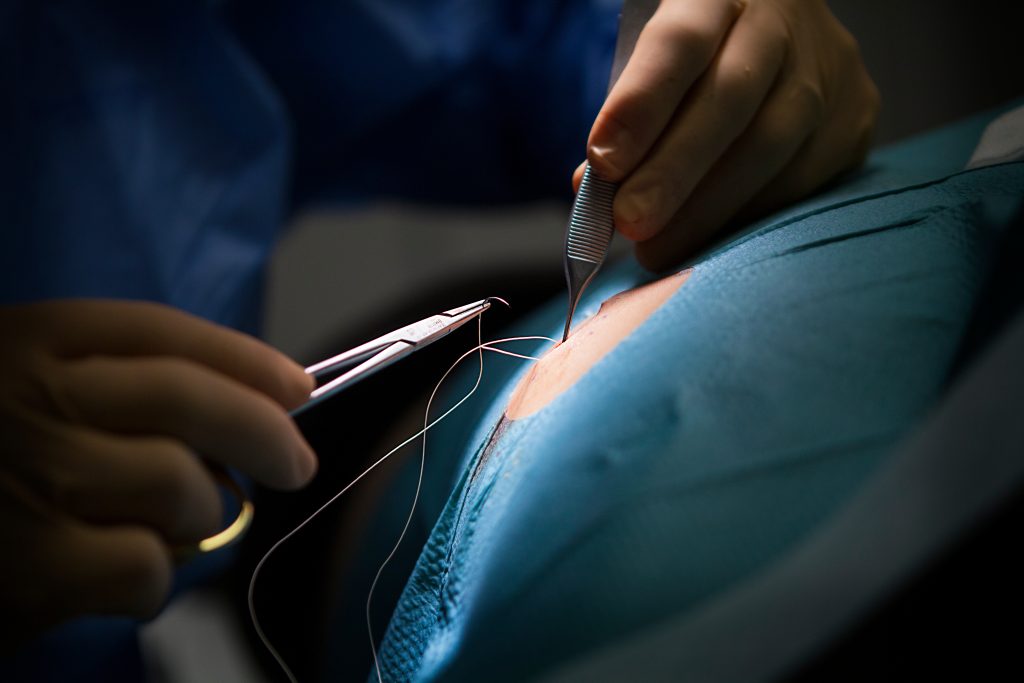
During surgical excision, the area is first numbed with a local anaesthetic to ensure comfort throughout the procedure. Once the anaesthetic has taken effect, the clinician makes a small incision and carefully removes the lipoma intact.
Patients commonly describe:
- A feeling of pressure or pulling rather than pain
- Awareness of movement without discomfort
- No sharp, burning, or cutting sensations during removal
The procedure typically takes 30 to 60 minutes, depending on the size and location of the lipoma. Most patients remain relaxed and comfortable while awake during the process.
Pain After Lipoma Removal
Once the local anaesthetic wears off, it is normal to experience some mild discomfort. This is usually described as:
- Soreness or tenderness at the incision site
- A tight or bruised feeling
- Mild swelling for a few days
For most patients, post-procedure pain is mild and manageable and settles within a few days.
Pain Relief After Surgery
- Over-the-counter pain relief, such as paracetamol or ibuprofen, is usually sufficient
- Strong painkillers are rarely needed
- Pain typically improves steadily over the first week
If stitches are present, some tightness may be felt until they are removed, usually between 5 and 14 days, depending on location.
Lipoma Size and Post-Procedure Discomfort
The size and depth of a lipoma can influence how the area feels during recovery. In some cases, larger or deeper lipomas may be associated with:
- Slightly increased soreness after the procedure
- A longer period of mild tenderness
- A feeling of tightness related to wound closure
Even so, lipoma removal is usually well tolerated, including for larger lesions. The procedure is performed under local anaesthetic, and post-operative discomfort typically remains mild and manageable.
How Lipoma Location Influences Recovery
The position of a lipoma on the body can also affect comfort during healing.
- Areas with minimal movement, such as the upper back or abdomen, often heal with very little discomfort.
- Locations exposed to frequent movement or friction, including the shoulders, joints, or areas under tight clothing, may feel sore for longer and require more care during recovery.
Your clinician will provide tailored advice on activity modification and wound care to help minimise discomfort and promote optimal healing based on the lipoma’s location.
What Helps Reduce Pain After Lipoma Removal?
Following aftercare advice plays an important role in comfort and recovery. This includes:
- Keeping the area clean and dry initially
- Avoiding heavy lifting or stretching the area
- Wearing loose clothing to prevent friction
- Taking simple pain relief if needed
Proper aftercare helps reduce inflammation, lowers the risk of infection, and can shorten recovery time.
Why Choose Waverley Park Minor Surgery Clinic for Lipoma Removal?
Waverley Park Minor Surgery Clinic offers medically led lipoma removal in a calm, supportive environment, with particular attention paid to patient comfort before, during, and after the procedure. Our approach is designed to minimise discomfort, support smooth recovery, and provide reassurance at every stage.
Experienced Clinicians Focused on Comfort
Our GPs have extensive experience performing lipoma excisions under local anaesthesia. Careful technique, gentle tissue handling, and effective numbing of the area help keep the procedure comfortable, with most patients reporting little more than pressure rather than pain.
Thoughtful Assessment and Pain-Aware Planning
Each lipoma is assessed individually, considering its size, depth, location, and any symptoms. This allows us to discuss what sensations to expect and tailor pain management and recovery advice to your specific situation.
Clear Aftercare and Ongoing Support
Patients receive clear guidance on managing post-procedure soreness, reducing swelling, and protecting the healing area. Advice on activity modification, stitch care, and pain relief is provided, with ongoing support available to ensure recovery remains as comfortable and straightforward as possible.
Frequently Asked Questions
Why do patients choose to remove a lipoma?
Patients often choose to remove a lipoma even though it is benign and non-cancerous. Removal may be considered if the lipoma begins to cause pain, restrict movement, catch on clothing, or become increasingly noticeable. Others opt for removal for reassurance, cosmetic reasons, or because of changes in size or firmness that they would prefer to have professionally assessed.
Does lipoma removal surgery hurt?
Lipoma removal is generally very well tolerated. The procedure is carried out under local anaesthetic, which completely numbs the area. Patients may feel brief stinging when the anaesthetic is injected, followed by pressure or movement during removal, but pain is not expected. Most people remain comfortable throughout the procedure.
What are the side effects of lipoma removal?
Side effects are usually mild and temporary. It is normal to experience some soreness, swelling, bruising, or tightness around the incision site for a few days. A small scar will remain once healing is complete. Complications such as infection or significant bleeding are uncommon when the procedure is performed by an experienced clinician and aftercare advice is followed.
What should I expect when I have a lipoma removed?
When you have a lipoma removed, the procedure is usually performed under local anaesthetic, so it is generally painless. The surgeon makes a small incision at the surgical site and carefully removes the lipoma while protecting the surrounding tissue. Afterward, you may experience mild soreness or tightness, but following aftercare advice helps support proper healing and a smooth recovery.
What is the aftercare for lipoma surgery?
Aftercare focuses on keeping the wound clean and dry, following dressing and cleaning instructions, avoiding unnecessary strain on the area, and using simple pain relief if required. Protecting the healing skin and attending any follow-up appointments helps reduce the risk of complications and supports a smooth, comfortable recovery.
Leave a reply