
What Is the Cost of Lipoma Removal?
Deciding whether to have a lipoma removed often raises questions about cost, particularly as cosmetic lipoma removal is not routinely funded by the NHS. Many patients, therefore, choose private treatment to access timely assessment, experienced clinicians, and clear, all-inclusive pricing.
This article explains the cost of lipoma removal at Waverley Park Minor Surgery Clinic, what the price includes, how lipomas are removed, and what to expect before, during, and after the procedure.
What Is Lipoma Removal?
Lipoma removal is a minor surgical procedure used to remove a benign fatty lump from beneath the skin. Lipomas are very common, affecting around 1 in 100 people, and are usually harmless. However, some people choose to have them removed if they are growing, uncomfortable, interfering with daily activities, or causing cosmetic or psychological concern.
Because lipomas vary in size, depth, and location, each one must be assessed individually before removal. This ensures the correct diagnosis is made and the safest, most effective treatment approach is chosen.
How Are Lipomas Removed?
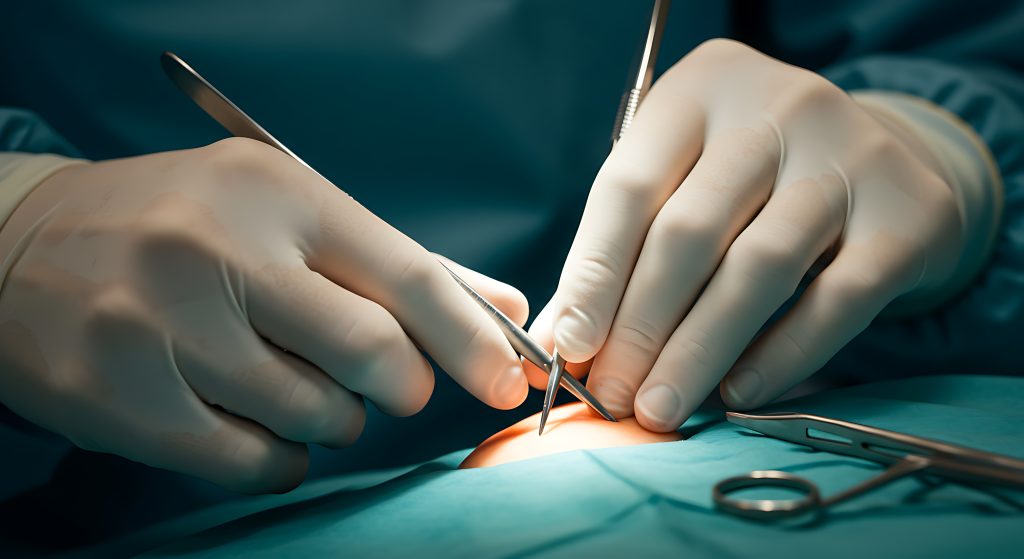
The vast majority of lipomas are removed using surgical excision. This technique allows the entire lipoma to be removed intact and sent for laboratory analysis to confirm the diagnosis.
Unlike some superficial skin lesions, lipomas are usually deeper under the skin, which means excision is the most reliable and definitive method of removal.
Surgical Excision of a Lipoma
- Performed under local anaesthetic
- A small incision is made over the lipoma
- The fatty tissue is carefully dissected and removed
- The wound is closed with sutures
- The removed tissue is sent for pathology testing
The procedure typically takes 30–60 minutes, depending on the size and location of the lipoma.
How Much Does Lipoma Removal Cost at Waverley Park?
Waverley Park Minor Surgery Clinic offers transparent, fixed pricing with no hidden fees. All procedures are performed by experienced GPs with training in minor surgery.
Initial Consultation: £50
Your consultation includes:
- A full medical assessment of the lump
- Review of your medical history
- Discussion of symptoms and concerns
- Advice on whether imaging (such as ultrasound) is needed
- Explanation of the surgical excision procedure
If you proceed with lipoma removal, the £50 consultation fee is deducted from the procedure cost.
Lipoma Removal Procedure: £500 (all inclusive)
This single, fixed fee covers:
- Local anaesthetic
- Surgical excision of the lipoma
- All dressings and consumables
- Written aftercare instructions
- Pathology testing of the removed tissue
- Communication of results to your NHS GP
- Follow-up for suture removal if required
There are no additional charges for pathology, dressings, or routine follow-up.
Lipoma Removal Consultation
The consultation is an essential part of the process and ensures treatment is appropriate and safe.
During your consultation:
- The lipoma is examined for size, depth, mobility, and consistency
- The clinician confirms whether the lump is likely to be a lipoma
- Imaging, such as ultrasound, may be recommended if needed
- The risks, benefits, and expected outcome of removal are explained
- Scarring, healing time, and recovery are discussed
If the lipoma is suitable for removal, a treatment plan is agreed upon, and the procedure can be scheduled.
Lipoma Removal Procedure
Lipoma removal is a straightforward, minor surgical procedure carried out in a calm, clinical setting.
- Local anaesthetic for comfort: The area around the lipoma is carefully numbed using local anaesthetic. This ensures the procedure is comfortable, with most patients feeling only pressure rather than pain.
- Careful surgical excision: A small, precisely placed incision is made over the lipoma. The fatty tissue is gently dissected from the surrounding structures and removed, usually in one piece, to reduce the risk of recurrence.
- Meticulous wound closure: The incision is closed with sutures, taking care to align the skin along natural lines where possible. This helps promote good healing and minimises visible scarring.
- Dressings and clear aftercare guidance: A sterile dressing is applied, and you are given clear written instructions on how to care for the area at home. This supports healing and reduces the risk of infection.
- Routine pathology testing for reassurance: The removed tissue is sent to a laboratory for microscopic examination to confirm the diagnosis. The result is shared with your GP.
Aftercare and Recovery
Most patients recover quickly after lipoma removal.
Aftercare advice typically includes:
- Keeping the area clean and dry for 24–48 hours
- Avoiding strenuous activity for a short period
- Following instructions for dressing changes
- Protecting the area from sun exposure
Typical recovery timeline:
- 1–2 weeks: initial healing and suture removal (if used)
- 2–4 weeks: wound settles
- 3–6 months: scar softens and fades
Risks and Complications
Lipoma removal is very safe, but as with any minor surgery, risks include:
- Scarring (usually minimal)
- Infection (rare)
- Bruising or bleeding
- Recurrence (uncommon when fully excised)
These risks are discussed during your consultation.
When Should You See Your GP?
You should arrange a GP review if a lump:
- Is growing rapidly
- Becomes painful or firm
- Feels fixed rather than mobile
- Is deep, particularly in the thigh or abdomen
- Has not been assessed before
Why Choose Waverley Park Minor Surgery Clinic for Lipoma Removal?
Waverley Park Minor Surgery Clinic provides safe, discreet, and medically led lipoma removal in a calm clinical environment. All procedures are carried out by experienced GPs, with a strong focus on accurate diagnosis, patient comfort, and careful surgical technique to support optimal outcomes.
Experienced Clinicians and Surgical Expertise
Our team has extensive experience in the assessment and surgical excision of lipomas under local anaesthetic. Each procedure is performed with precision and attention to detail, helping to minimise discomfort, reduce the risk of recurrence, and support good cosmetic healing.
Individualised Assessment and Treatment Planning
Every lipoma is assessed on its own merits, taking into account size, depth, location, symptoms, and patient concerns. This allows us to confirm whether removal is appropriate, explain what to expect, and tailor the treatment plan to your individual needs and priorities.
Clear Communication, Aftercare, and Reassurance
We believe clear information and reassurance are central to good care. Patients receive detailed explanations before treatment, clear written aftercare guidance, and appropriate follow-up where needed. All removed tissue is sent for pathology analysis, with results communicated to your GP to ensure complete reassurance and continuity of care.
Transparent Costs and Predictable Pricing
We offer clear, upfront pricing with no hidden charges. Our fees reflect the high standard of clinical care provided and include consultation, surgical excision, pathology testing, and aftercare, allowing you to make an informed decision with confidence.
Frequently Asked Questions
How much does lipoma removal cost in the UK?
At Waverley Park Minor Surgery Clinic, the cost of lipoma removal is £500. The fee for your initial consultation is £50, which is fully deducted from the cost of the procedure. This provides clear, all-inclusive pricing with no hidden charges.
Why do people get lipomas surgically removed?
Although lipomas are benign, many people choose to have them surgically removed for a variety of reasons. These include discomfort, restriction of movement, rapid growth or cosmetic concerns, particularly if the lipoma is visible or affecting confidence. The size of the lipoma can also influence the decision, as larger lipomas are more noticeable and may interfere with daily activities.
Is lipoma removal safe and effective?
Yes. Lipoma removal is considered a very safe and effective minor surgical procedure when performed by clinicians who specialise in minor surgery. It is usually carried out under local anaesthetic, with a low risk of complications. Complete surgical excision is highly effective, and recurrence is uncommon when the lipoma is fully removed.
What’s the difference between lipoma and cyst removal?
Lipomas and cysts are different types of lumps and are treated differently. A lipoma is a benign growth of fatty tissue, usually soft and mobile, whereas a cyst is a sac filled with fluid or semi-solid material. Cyst removal may involve draining or excising the cyst lining, while lipoma removal typically requires full surgical excision of the fatty tissue.
Does lipoma removal leave a scar?
Lipoma removal does result in a scar, as a small incision is required. However, clinicians aim to minimise scarring by placing incisions along natural skin lines where possible. Over time, scars usually fade and become less noticeable.
Leave a reply