
Cyst Removal: Cost, When to Remove & Treatment Options
Finding a lump beneath your skin can be worrying. While most cysts are harmless, they can grow, become infected, or cause cosmetic concern over time. Understanding when removal is appropriate, what treatment involves, and how much it costs can help you make an informed and confident decision.
This guide explains the common types of cysts, when removal is recommended, available treatment options, recovery expectations, and private treatment costs.
What Is a Cyst?
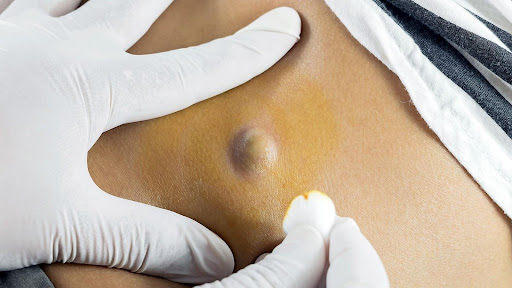
A cyst is a closed sac that forms beneath the skin and fills with fluid, pus, or keratin material. While most skin cysts are benign and slow growing, they can become noticeable, uncomfortable, or cosmetically concerning over time. They typically feel smooth and rounded, and may move slightly under the skin when pressed.
Cysts develop when cells that would normally shed become trapped beneath the surface, or when glands and hair follicles become blocked. The lining of the cyst, known as the capsule, continues producing material, which is why these lumps can gradually enlarge.
Common types include:
- Epidermoid cysts: Among the most common skin cysts, they contain keratin and often have a small central opening. They may remain stable for years, but can become inflamed if irritated.
- Pilar cysts: Frequently found on the scalp and sometimes run in families. They are usually firm and smooth and can slowly increase in size.
- Sebaceous cysts: Form around oil-producing glands and contain soft, yellowish material. They may become tender or swollen if infected.
- Ganglion cysts: Develop near joints or tendons, particularly in the wrist or hand. They are filled with a clear, jelly-like fluid and may fluctuate in size or cause discomfort with movement.
Although most cysts are not dangerous, they are not always problem free. They can enlarge, become inflamed, become infected, or interfere with daily comfort. For many patients, it is these changes rather than the cyst itself that prompt consideration of removal.
When Should a Cyst Be Removed?
Not every cyst needs immediate treatment. Many remain small, painless, and stable for years. However, removal becomes appropriate when a cyst starts to change, cause discomfort, or create ongoing concern.
Cyst removal is typically recommended when the lump:
- Becomes repeatedly inflamed or infected
- Grows steadily or rapidly
- Causes pain or restricts movement
- Rubs against clothing or becomes irritated
- Causes cosmetic concern or self-consciousness
- Raises uncertainty about the diagnosis
Addressing a cyst before repeated infection or significant enlargement occurs often leads to a more straightforward procedure, smaller incision, and smoother recovery.
If a cyst becomes red, swollen, painful, or begins discharging pus, prompt medical assessment is advisable. Early intervention reduces the risk of complications and supports safer, more predictable treatment.
What Are the Treatment Options?
The most appropriate treatment depends on the size of the cyst, whether it is infected, and how much it is affecting your comfort or confidence. While some cysts can safely be observed, others require active treatment to prevent repeated inflammation or ongoing symptoms.
Monitoring
If a cyst is small, painless, and not changing, careful observation may be appropriate. Many cysts remain stable for years and never require intervention.
However, monitoring does not remove the cyst. If it enlarges, becomes inflamed, or starts causing concern, reassessment is advised.
Antibiotics
When a cyst becomes infected, antibiotics may be prescribed to control bacterial spread and reduce inflammation. This can relieve pain and swelling.
It is important to understand that antibiotics treat the infection, not the cyst itself. The capsule remains in place, meaning the cyst can flare up again in the future.
Incision and Drainage
If a cyst forms a painful abscess, a minor procedure may be performed to release pus and relieve pressure. This is done under local anaesthetic in a clinical setting.
Drainage provides symptom relief but does not remove the cyst wall. Because the capsule remains, recurrence is common. For this reason, drainage alone is not considered definitive treatment.
Complete Surgical Excision
Surgical excision under local anaesthetic is widely regarded as the most effective and definitive treatment. It addresses the underlying cause by removing the entire cyst and its capsule.
During the procedure:
- The area is carefully numbed
- A small incision is made
- The entire cyst, including its wall, is removed intact
- The wound is closed with stitches
By removing the capsule completely, the source of keratin or fluid production is eliminated. This significantly reduces the likelihood of the cyst returning and provides a long-term solution rather than temporary relief.
Why Complete Excision Matters
The cyst wall, also known as the capsule, is the source of the material that fills the cyst. As long as this lining remains beneath the skin, it can continue producing keratin or fluid. Even a small fragment left behind can allow the cyst to gradually reform.
Complete surgical excision addresses the root of the problem rather than just the symptoms. It:
- Removes both the contents and the entire capsule
- Significantly reduces the risk of recurrence
- Allows tissue to be sent for pathology confirmation
- Supports more predictable healing and cosmetic outcome
When performed under optimal conditions by an experienced clinician, long-term recurrence is uncommon.
Do Home Remedies or Non-Surgical Treatments Work?
Home remedies such as warm compresses, tea tree oil, or topical applications are sometimes used in an attempt to shrink or remove cysts. While a warm compress may help relieve discomfort in an inflamed cyst and encourage temporary drainage, these approaches do not remove the capsule.
Squeezing or attempting to puncture a cyst at home can:
- Force contents deeper into the surrounding tissue
- Increase inflammation and pain
- Introduce infection
- Make future surgical removal more complex
Similarly, simple drainage performed without removing the cyst wall often leads to recurrence.
For a lasting solution, treatment must address the capsule itself. This is why complete surgical excision remains the most reliable method of cyst removal.
Cyst Removal Procedure
Cyst removal is a structured minor surgical process that begins with consultation and ends with clear aftercare guidance. Understanding each step helps you know exactly what to expect.
Step 1: Initial Consultation
Your first appointment involves a detailed clinical assessment. A qualified doctor will examine the cyst, confirm the likely diagnosis, and discuss your symptoms and concerns.
During this consultation, you will receive clear information about:
- Whether removal is appropriate
- The recommended technique
- Potential risks, including scarring
- Expected recovery time
- Aftercare requirements
This ensures you can make an informed and confident decision before proceeding.
Step 2: Preparation for Surgery
On the day of the procedure, the area is cleaned thoroughly to maintain a sterile field. Local anaesthetic is injected to fully numb the skin. You may feel brief stinging during the injection, but once numb, the procedure itself should not be painful.
Step 3: Complete Surgical Excision
A small, precise incision is made over the cyst. The clinician carefully separates and removes the entire cyst, including its capsule. Removing the cyst wall intact is essential to reduce the risk of recurrence.
Step 4: Wound Closure
Once the cyst has been fully excised, the wound is closed with stitches. The type and number of stitches depend on the size and location of the cyst. A protective dressing is applied before discharge.
Step 5: Pathology and Aftercare
Where appropriate, the removed tissue is sent to a pathology laboratory to confirm the diagnosis. Your GP is informed of the results to ensure continuity of care.
You will receive detailed written and verbal aftercare instructions before leaving the clinic. The procedure typically takes 20 to 40 minutes, and most patients return home shortly afterwards.
Recovery After Cyst Removal
For most people, initial recovery takes around 7 to 14 days. This is the period during which the wound closes, stitches are removed, and everyday comfort returns.
However, recovery happens in stages:
- First 1 to 3 days: Mild soreness and tightness are most noticeable.
- By 7 days: Swelling and tenderness usually improve significantly.
- 7 to 14 days: Stitches are removed and most normal daily activities feel comfortable again.
- Several weeks to months: The scar continues to soften and fade as healing completes.
Most patients resume light activity within 24 to 48 hours. Full healing of the skin surface typically occurs within two weeks, while scar maturation continues for several months.
If the cyst was large or previously infected, recovery may take slightly longer.
How Much Does Cyst Removal Cost?
The cost of cyst removal in the UK varies depending on whether treatment is provided privately or through the NHS.
NHS Treatment
The NHS may remove a cyst if there is clear medical need, such as recurrent infection, pain, or functional problems. Procedures are generally reserved for cases that are clinically necessary rather than cosmetic. Waiting times may apply.
Private Cyst Removal
At Waverley Park Minor Surgery Clinic, cyst removal costs £600.
The initial consultation fee is £50, which is fully deducted from the total cost if you proceed with treatment.
The fee includes:
- Detailed clinical assessment
- Complete surgical excision under local anaesthetic
- Use of sterile surgical facilities
- Stitches and wound care materials
- Pathology testing where appropriate
- Communication of results to your GP
- Clear aftercare guidance
This transparent pricing structure ensures there are no hidden surgical facility charges.
Private treatment offers:
- Faster access to assessment and removal
- Predictable scheduling
- A structured pathway from consultation to recovery
Is Cyst Removal Worth It?
For many patients, removal becomes worthwhile when the cyst causes discomfort, cosmetic concern, or repeated infection. Complete excision provides definitive treatment and reduces the likelihood of future flare-ups.
If a cyst is small, stable, and symptom-free, monitoring may be appropriate. However, early assessment helps prevent complications and allows treatment to be planned under optimal conditions.
Why Choose Waverley Park Minor Surgery Clinic for Cyst Removal?
Waverley Park Minor Surgery Clinic provides safe, medically supervised cyst removal in a calm and professional clinical environment. Our experienced clinicians focus on complete excision, patient reassurance, and optimal healing to minimise recurrence and deliver reliable long-term outcomes.
Medically Led, Definitive Treatment
With over 20 years of experience in minor surgical procedures, our clinicians are skilled in precise cyst excision. We prioritise full removal of the cyst wall, as this is essential to reduce the likelihood of recurrence. Procedures are performed under effective local anaesthetic to ensure comfort and control throughout.
Individualised Clinical Assessment
Every cyst is carefully assessed before treatment. We evaluate its size, depth, location, and whether there are signs of inflammation or infection to determine the most appropriate timing and surgical approach. You will receive a clear explanation of the procedure, potential risks, healing expectations, and likely cosmetic outcome so you can make an informed decision with confidence.
Structured Aftercare and Ongoing Support
Recovery guidance is an important part of successful treatment. You will receive straightforward instructions on wound care, activity restrictions, and what to expect during healing. Where appropriate, removed tissue is sent for pathology confirmation, and your GP is informed of the results. Our team remains available to answer questions and provide reassurance throughout your recovery.
Frequently Asked Questions
At what point does a cyst need to be surgically removed?
A cyst usually needs surgical removal when it becomes repeatedly inflamed or infected, grows steadily, causes pain, or interferes with daily activities. Removal is also recommended if there is uncertainty about the diagnosis or if the cyst is causing significant cosmetic concern.
Will the NHS remove a cyst?
The NHS may remove a cyst if there is clear medical need, such as recurrent infection, pain, or functional problems. Procedures are generally reserved for cases where the cyst is causing significant symptoms rather than cosmetic concern. Waiting times can apply, particularly if the cyst is not considered urgent. Your GP can advise whether an NHS referral is appropriate in your situation.
How much does it cost to remove a cyst privately in the UK?
Private cyst removal costs vary across the UK depending on the clinic and location. At Waverley Park Minor Surgery Clinic, the cost of cyst removal is £600. The initial consultation fee is £50, which is fully deducted from the total cost if you proceed with treatment. This transparent pricing includes clinical assessment, complete excision under local anaesthetic, and pathology testing where appropriate.
Can a cyst be removed without surgery?
True removal of a cyst requires surgical excision of the entire cyst wall. Antibiotics may treat infection, and drainage can relieve pressure, but neither removes the capsule. Without removing the capsule, the cyst may return. For a definitive and long-term solution, complete surgical excision is considered the most effective treatment.
How painful is cyst removal?
Cyst removal is performed under local anaesthetic, so the procedure itself should not be painful. You may feel brief stinging when the anaesthetic is injected. After the procedure, mild soreness or tightness is common for a few days, but this is usually manageable with simple pain relief. Most patients find the discomfort minimal and short-lived.
Leave a reply