
At What Size Should a Lipoma Be Removed?
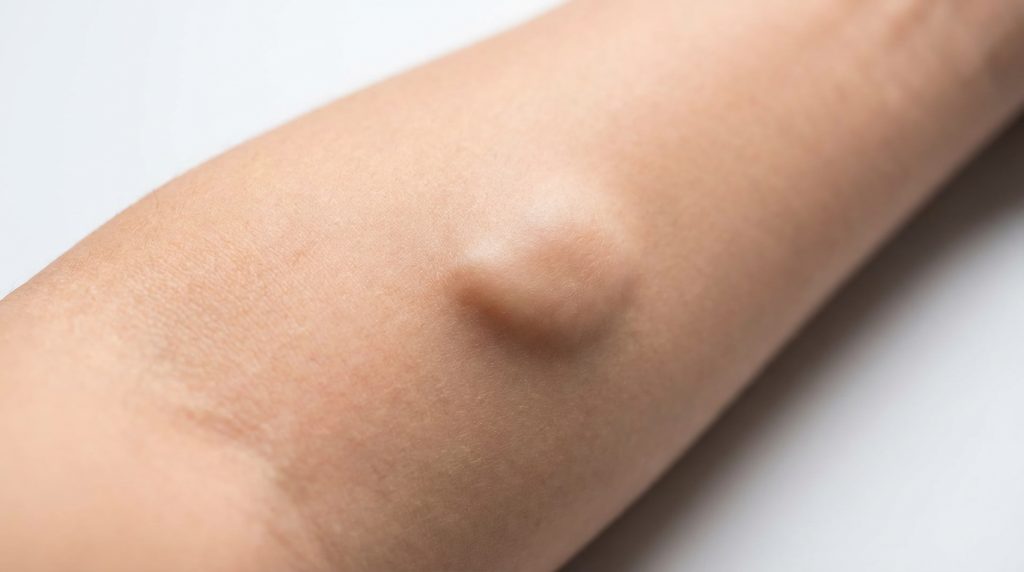
Lipomas are common, benign fatty lumps that develop just beneath the skin. Many people live with them for years without any problems, which often leads to uncertainty about when or if removal is necessary. One of the most common questions patients ask is whether a lipoma needs to reach a certain size before it should be checked or removed.
While size is an important factor, it is not the only consideration. Understanding when a lipoma should be assessed helps avoid unnecessary delay and ensures appropriate care at the right time.
Understanding Lipoma Size and Why It Matters
Lipomas vary widely in size, from small pea-sized lumps to larger masses that are easily visible or palpable. In clinical practice, 5 centimetres (roughly the size of a golf ball) is often used as an important reference point.
- Lipomas under 5 cm: These are commonly observed if they are soft, painless, slow-growing, and not causing concern. Removal may still be appropriate for comfort or cosmetic reasons.
- Lipomas over 5 cm: Lipomas larger than 5 cm are more likely to be investigated further. While most remain benign, reaching this size often prompts imaging, such as ultrasound, to confirm the diagnosis and exclude rare malignant tumours.
Why the 5 cm Threshold Often Triggers Investigation
Lipomas larger than 5 cm are more likely to be referred for imaging, such as ultrasound, because:
- Larger lumps are harder to assess accurately by physical examination alone
- Deeper or firmer lesions can be more difficult to characterise by touch
- Imaging helps confirm the diagnosis and guide safe, appropriate removal planning
Importantly, most lipomas over 5 cm are still benign. The purpose of investigation is reassurance and safe decision-making, helping avoid missed diagnoses while preventing unnecessary delays in treatment.
Size Alone Is Not the Only Reason for Removal
While size is an important consideration, many lipomas should be assessed or discussed with a clinician before they reach 5 cm. In practice, symptoms, location, growth pattern, and personal impact often matter more than measurements alone.
Early assessment can simplify treatment and reduce the likelihood of ongoing discomfort or more extensive surgery later.
Pain or Discomfort
Lipomas are usually painless. Any new or persistent discomfort should prompt assessment, regardless of size. Removal may be appropriate if a lipoma:
- Becomes painful or tender
- Presses on nearby nerves
- Causes discomfort when lying down or exercising
- Rubs repeatedly against clothing
Rapid or Noticeable Growth
Most lipomas grow slowly over many years. A change in growth pattern should not be ignored, even if the lump is still relatively small. A review is advised if a lipoma:
- Increases in size over a short period
- Doubles in size noticeably
- Feels firmer or less mobile than before
Early assessment helps determine whether imaging is needed and allows treatment to be planned before the lump becomes more problematic.
Interference With Daily Activities
Even small lipomas can cause practical issues depending on their location. Removal may be worthwhile if a lipoma:
- Restricts movement near joints
- Catches during physical activity
- Interferes with work, sleep, or everyday comfort
Addressing these issues early can prevent symptoms from worsening and may allow for a smaller incision and easier recovery.
Cosmetic or Psychological Impact
Many lipomas are removed for cosmetic reasons alone. Visibility and emotional impact are valid reasons for early assessment, particularly when lipomas are located on the neck, face, arms, shoulders, or upper back. For some people, removing a lipoma early can relieve ongoing self-consciousness and anxiety rather than prolonging distress.
When the NHS Will Remove a Lipoma
Most lipomas are harmless and do not require treatment. For this reason, the NHS focuses on medical necessity rather than cosmetic concerns when deciding whether removal is appropriate.
The NHS may consider removing a lipoma if:
- The diagnosis is uncertain: If a GP cannot confidently confirm that a lump is a benign lipoma, referral for imaging or surgical assessment may be required to rule out other conditions.
- The lipoma is painful or tender: Pain is not typical of lipomas and may indicate pressure on nearby nerves or surrounding tissues.
- The lipoma is growing or changing: Rapid growth, increasing firmness, or reduced mobility may prompt further investigation or removal.
- Its location causes symptoms: Lipomas that restrict movement, interfere with daily activities, or cause repeated irritation due to their position may be eligible for NHS treatment.
If a lipoma is small, painless, slow-growing, and not causing functional problems, the NHS will usually recommend observation rather than removal.
If you would prefer removal earlier, or if the lipoma is causing cosmetic concern rather than medical symptoms, private treatment is an option. Many patients choose to have lipomas removed at a specialist private clinic where removal can be planned at a convenient time and tailored to both comfort and cosmetic outcome.
How Is a Lipoma Removed?
At Waverley Park Minor Surgery Clinic, lipoma removal is performed using surgical excision, allowing the lump to be removed completely and the diagnosis to be confirmed.
The procedure:
- Is carried out under local anaesthetic, numbing the area while you remain awake and comfortable
- Typically takes 30–60 minutes, depending on the lipoma’s size and location
- Involves a small skin incision, through which the lipoma is carefully separated from surrounding tissue and removed in one piece
- Concludes with careful wound closure using sutures, designed to reduce tension and support good healing and cosmetic results
The removed tissue is sent to a local pathology laboratory for confirmation, and the results are shared with your GP once available.
Lipoma Removal Aftercare
Aftercare is an important part of recovery and helps support good healing and cosmetic results.
Typical aftercare advice includes:
- Keeping the wound clean and dry for the first few days
- Following guidance on dressing changes and gentle wound cleansing
- Avoiding heavy lifting or activities that could place strain on the area
- Managing mild discomfort with over-the-counter pain relief if required
Most patients can return to normal daily activities within a few days. However, while the skin heals relatively quickly, the scar will continue to mature and improve in appearance.
Why Choose Waverley Park Minor Surgery Clinic for Lipoma Removal?
Waverley Park Minor Surgery Clinic offers medically supervised lipoma removal in a professional and reassuring environment. Our approach prioritises accurate diagnosis, patient comfort, and careful surgical technique to support reliable healing and good cosmetic outcomes.
Clinicians with Specialist Surgical Experience
Our GPs have significant experience in minor surgical procedures, including lipoma surgical excision. Using evidence-based methods, meticulous tissue handling, and effective local anaesthesia, lipomas are removed safely while limiting disruption to surrounding tissue.
Thoughtful Assessment and Surgical Planning
Every lipoma is evaluated individually, considering factors such as size, depth, location, symptoms, and cosmetic impact. This allows us to tailor the surgical approach, discuss expected recovery and scarring, and ensure the procedure is appropriate for your specific situation.
Focus on Recovery and Long-Term Results
Patients receive clear, practical aftercare guidance to support healing and reduce the risk of prominent scarring. Advice covers wound care, activity restrictions, stitch removal when needed, and scar care. Ongoing support is available throughout recovery to promote the best possible long-term outcome.
Frequently Asked Questions
What is a lipoma?
A lipoma is a benign (non-cancerous) lump made up of fatty tissue that develops just beneath the skin. Lipomas are usually soft, mobile, slow-growing, and painless. They are very common and can occur anywhere on the body, most often on the back, shoulders, arms, abdomen, or thighs.
When is lipoma removal medically necessary?
Lipomas are harmless and do not usually need to be removed. However, lipoma removal is considered medically necessary when there is a clinical reason to do so. This may include:
- Uncertainty about the diagnosis
- Pain, tenderness, or pressure on nearby nerves
- Rapid growth or change in texture
- Restricted movement or interference with daily activities
In these situations, further investigation or removal may be recommended to confirm the diagnosis and relieve symptoms.
What is considered a large lipoma?
In clinical practice, a lipoma measuring over 5 centimetres is often considered large. Lipomas of this size are more likely to be investigated with imaging, such as ultrasound, to confirm the diagnosis and guide safe removal.
Can a lipoma ever turn cancerous?
Lipomas themselves do not turn into cancer. However, very rarely, other types of fatty tumours, such as liposarcomas, can resemble lipomas. This is why lipomas that grow rapidly, feel firm, are painful, or have an uncertain diagnosis may be investigated further or removed for confirmation.
How painful is lipoma removal?
Lipoma removal is usually very well tolerated. The procedure is performed under local anaesthetic, which numbs the area completely. You may feel some pressure during the procedure, but it should not be painful. Mild soreness afterward is common and can usually be managed with simple pain relief, settling within a few days.
Leave a reply