
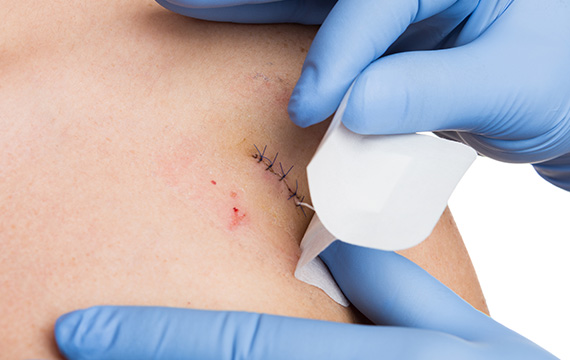
Do Cysts Grow Back After Removal?
One of the most common concerns after cyst removal is whether it will return. In most cases, a cyst does not grow back if it has been completely removed. However, recurrence can happen under certain circumstances.
Understanding why cysts sometimes return and how this can be prevented helps set realistic expectations before treatment.
Why Do Cysts Form in the First Place?
Most common skin cysts, such as epidermoid and pilar cysts, develop when skin cells move deeper beneath the surface instead of shedding normally. These cells continue producing keratin, a protein found in skin and hair, and become enclosed within a sac known as the cyst wall or capsule.
Cysts may also form due to:
- Blocked hair follicles or sebaceous glands
- Skin injury or irritation that traps surface cells
- Chronic inflammation, such as acne
- Genetic predisposition, particularly with pilar cysts
Once a cyst capsule forms, it continues to produce keratin or fluid. As long as that capsule remains intact, the cyst can refill. This is why complete removal of the entire cyst wall is important to reduce the risk of recurrence.
When Is Recurrence Unlikely?
Recurrence after cyst removal is uncommon when the procedure is performed correctly and under appropriate conditions. It is unlikely when:
- The entire cyst wall (capsule) is completely removed
- The procedure is carried out under controlled clinical conditions
- The cyst is not actively inflamed or infected at the time of removal
- An experienced clinician performs the excision
When both the cyst contents and the entire capsule are removed intact, long-term recurrence is rare.
Why Do Some Cysts Come Back?
When a cyst returns after treatment, it is usually for a clear and preventable reason. Understanding why recurrence happens helps explain why complete surgical excision is so important.
Incomplete Removal
The most common cause of recurrence is partial removal of the cyst wall. Even a small fragment of the capsule left beneath the skin can continue producing keratin or fluid. Over time, the sac gradually refills and the lump reappears.
This risk is higher if the cyst is removed during active infection or inflammation. Inflamed tissue is more fragile, which makes it harder to remove the capsule cleanly and intact.
Drainage Without Excision
Draining a cyst may relieve pressure, pain, and swelling, particularly if it is infected. However, drainage removes only the contents, not the capsule itself.
Because the cyst lining remains in place, it can continue producing material once healing occurs. For this reason, drainage alone is not considered definitive treatment and recurrence is common.
Attempted Self-Treatment
Squeezing, puncturing, or attempting to remove a cyst at home can rupture the capsule beneath the skin. This may temporarily reduce its size, but it rarely removes the entire lining.
DIY treatment increases the risk of infection, inflammation, scarring, and incomplete removal, all of which make recurrence more likely and future surgery more complex.
New Cyst Formation
Sometimes what appears to be a recurrent cyst is actually a new cyst forming in the same area. Some individuals are naturally more prone to cyst development, particularly those with oily skin, acne, or a family history of pilar cysts.
In these cases, the original cyst was successfully removed, but a new one has developed nearby due to underlying skin tendencies.
Does Infection Increase the Risk of Recurrence?
Yes. Repeated infection can cause scarring and thickening of surrounding tissue. This may make complete excision more technically challenging and increase the chance of residual capsule tissue remaining.
For this reason, many clinicians recommend treating infection first and performing definitive removal once inflammation has settled.
How Can Recurrence Be Prevented?
Preventing a cyst from returning depends largely on how it is treated the first time. The most effective way to minimise recurrence is complete surgical excision under local anaesthetic, performed in a controlled clinical environment.
Successful prevention relies on several key factors:
- Meticulous removal of the entire cyst capsule
- Operating under optimal conditions
- Experienced surgical technique
- Adherence to aftercare guidance
Choosing an experienced minor surgery clinic, like Waverley Park, is one of the most important factors in achieving a definitive, one-time solution.
What If a Cyst Does Come Back?
If a cyst returns, it can usually be removed again. The second procedure may be slightly more complex if scar tissue has formed, but recurrence does not mean something more serious is present.
If you notice a new lump developing in the same area, it is advisable to arrange clinical review to confirm the diagnosis and discuss treatment options.
Why Choose Waverley Park Minor Surgery Clinic for Cyst Removal?
At Waverley Park Minor Surgery Clinic, cyst removal is performed with a clear focus on definitive treatment and long-term results. Our approach prioritises complete excision, clinical precision, and patient reassurance to minimise recurrence and support optimal healing.
Expertise Focused on Preventing Recurrence
With over 20 years of experience in minor surgical procedures, our clinicians understand that preventing regrowth depends on removing the entire cyst capsule intact. Careful dissection techniques and effective local anaesthesia allow the procedure to be performed comfortably and under controlled conditions. Our goal is a one-time, complete solution wherever possible.
Individual Assessment and Clear Treatment Planning
Every cyst is assessed in detail before treatment. We evaluate its type, size, and location, and assess for signs of inflammation or infection to determine the most appropriate timing and surgical approach. You will receive a clear explanation of the procedure, potential risks, healing expectations, and likely cosmetic outcome so you can make an informed and confident decision.
Structured Aftercare and Ongoing Support
Successful removal does not end when the procedure is complete. You will receive detailed aftercare guidance to support smooth healing and minimise scarring. Where appropriate, removed tissue is sent for pathology confirmation, and your GP is informed of the results to ensure continuity of care.
Frequently Asked Questions
Why would a cyst grow back after removal?
Cysts can come back if the entire cyst wall was not completely removed during the initial procedure. Even a small fragment of the capsule left behind can continue producing keratin or fluid, allowing the lump to reform over time. Recurrence is more likely if surgery was performed during active infection or if the cyst was only drained rather than fully excised.
How serious is having a cyst removed?
Cyst removal is classified as a minor surgical procedure and is generally low risk when performed by an experienced clinician. It is carried out under local anaesthetic and usually completed in a single appointment. Mild soreness, swelling, or bruising can occur, and a small scar is expected. Serious complications are rare but can include infection or delayed healing.
Will the NHS remove my cyst?
The NHS may remove a cyst if there is clear medical need, such as recurrent infection, pain, or functional problems. Procedures are generally reserved for cases where the cyst is causing significant symptoms rather than cosmetic reasons. Waiting times can apply, particularly if the cyst is not considered urgent.
How do I know if my cyst is coming back?
Early signs of recurrence may include a small firm lump forming in the same location as the previous cyst. You might notice gradual enlargement, mild tenderness, or a feeling of fullness under the skin. If the area becomes red, swollen, or painful, it should be assessed promptly. Early review allows timely management before significant inflammation develops.
What not to do after cyst removal?
After cyst removal, avoid squeezing or pressing the wound area, as this can disrupt healing. Do not remove stitches yourself or ignore aftercare instructions. Strenuous activity that places tension on the wound should be limited until advised it is safe to resume. Following professional guidance helps minimise scarring and reduces the risk of complications.
Leave a reply