
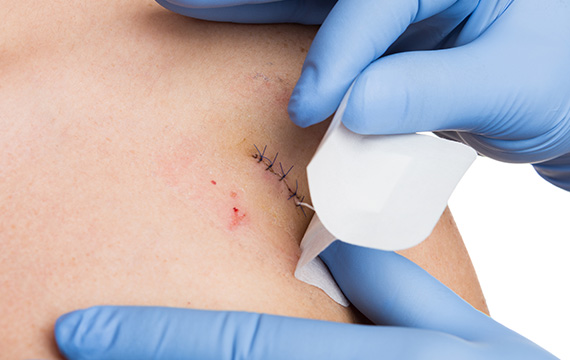
Do Lipomas Grow Back After Removal?
A common concern for patients considering lipoma removal is whether the lump can return after treatment. Many people worry that even after surgery, a lipoma might grow back in the same place or appear again elsewhere.
In most cases, lipomas do not grow back after complete removal, but the answer depends on how the lipoma was removed, its characteristics, and whether new lipomas develop independently. This article explains recurrence risk clearly and helps set realistic expectations.
What Is a Lipoma?
A lipoma is a benign, non-cancerous lump made up of fatty tissue that develops just beneath the skin. It typically feels soft, smooth, and slightly mobile when pressed, which helps distinguish it from many other types of lumps.
Lipomas are very common and can vary in size from a small, pea-sized lump to several centimetres across. They most often appear on the shoulders, arms, back, abdomen, thighs, or buttocks, but they can develop almost anywhere on the body.
Lipomas usually grow slowly over time, are not painful, and are medically harmless. Importantly, they do not turn into cancer. Many people live with one or more lipomas for years without needing any treatment, choosing removal only if the lump causes discomfort, concern, or affects confidence.
Do Lipomas Grow Back After Removal?
Whether a lipoma can return after removal depends largely on the technique used. In most cases, recurrence is uncommon when the lipoma has been completely excised, but the risk is higher with methods that do not remove the lesion intact.
After Complete Surgical Excision
When a lipoma is removed fully and intact through surgical excision, recurrence at the same site is uncommon. Surgical excision removes both the fatty tissue and its surrounding capsule, which is important for preventing regrowth.
In clinical practice, recurrence rates after complete excision are generally low, often quoted at 1-2%. When recurrence does occur, it is usually due to incomplete removal rather than true regrowth of the original lipoma.
After Non-Excisional Techniques
Techniques that remove or reduce the lipoma without excising it intact, such as liposuction or fat-disrupting methods, carry a higher risk of recurrence. This is because parts of the lipoma capsule may remain, allowing fatty tissue to reaccumulate over time.
For this reason, surgical excision is widely regarded as the most reliable and definitive treatment.
Why Might a Lipoma Appear to “Grow Back”?
In most cases, when a lump seems to return after removal, it is not true regrowth of the original lipoma. There are several reasons why an area can feel lumpy again, and understanding these can help prevent unnecessary worry.
Incomplete Removal
If very small fragments of the lipoma or its surrounding capsule remain, the residual tissue can slowly enlarge over time. This is the most common reason for recurrence at the same site. When lipomas are removed intact through careful surgical excision, this risk is low.
A New Lipoma Nearby
Some individuals are predisposed to developing more than one lipoma. In these cases, a new lipoma may form close to the previous site and be mistaken for regrowth. This represents a separate, independent growth rather than the original lipoma returning.
Post-Surgical Scar Tissue
It is also normal for healing tissue to feel firm for several weeks or months after surgery. Scar tissue can sometimes create a temporary lump or thickening under the skin. This often softens gradually as healing progresses and does not indicate recurrence.
When to Seek Review
If a lump increases in size, becomes painful, or feels different from before, it should be reassessed to confirm the diagnosis. In most cases, however, what feels like regrowth turns out to be either normal healing or a separate benign lump.
Does Having One Lipoma Increase the Risk of More?
Finding one lipoma does not automatically mean others will appear. Many people develop a single lipoma and never form another. However, some individuals are predisposed to developing multiple lipomas over time.
Studies suggest that approximately 5 to 10% of people with lipomas develop more than one. When multiple lipomas are present, they are usually separate, independent growths rather than regrowth of a previously removed lump.
Familial Multiple Lipomatosis
In a small proportion of cases, multiple lipomas occur as part of an inherited condition known as familial multiple lipomatosis. This is a rare genetic disorder, with an estimated global incidence of 0.002%.
Individuals with familial multiple lipomatosis may develop numerous lipomas throughout adulthood, sometimes beginning in early adult life. The number can vary widely, ranging from a few to many over time.
Although multiple lipomas are most commonly associated with familial lipomatosis, they may also be seen in certain rare genetic syndromes. Importantly, even in these cases, the lipomas themselves remain benign and do not become cancerous.
What Happens If a Lipoma Does Grow Back?
True recurrence after complete removal is uncommon. However, if a lipoma does reappear at the same site, it can usually be treated successfully with repeat surgical excision.
In most cases, second removal is straightforward. While scar tissue from the previous procedure may make the dissection slightly more complex, experienced clinicians can safely remove the remaining tissue and achieve a good outcome.
It is important that any recurrent or changing lump is reassessed. This ensures the diagnosis remains accurate and excludes other conditions. In the vast majority of cases, a recurrent lump is still benign and can be managed effectively.
How to Reduce the Risk of Recurrence
Although no procedure can offer an absolute guarantee, recurrence of a lipoma is uncommon when it is removed correctly. The risk is significantly reduced when careful surgical principles are followed from the outset.
The most important factors in preventing regrowth include:
- Complete surgical excision, rather than debulking or partial removal
- Removal of the lipoma intact with its capsule, reducing the chance of residual tissue remaining
- Experienced minor surgical technique, ensuring precise dissection and thorough removal
- Histological examination of the removed tissue, confirming the diagnosis and providing reassurance
Choosing a definitive, excision-based approach from the beginning not only minimises the likelihood of recurrence but also provides long-term confidence that the lump has been fully treated.
For most patients, the combination of complete removal and diagnostic certainty offers peace of mind that extends well beyond the immediate recovery period.
Why Choose Waverley Park Minor Surgery Clinic for Lipoma Removal?
Waverley Park Minor Surgery Clinic in Glasgow provides clinician-led lipoma assessment and removal in a regulated medical setting. All procedures are performed by experienced General Practitioners, with a focus on accurate diagnosis, complete excision, and predictable long-term outcomes.
Clinically Led Assessment and Definitive Removal
With over 20 years’ experience in minor surgery, the doctors at Waverley Park regularly assess and remove a wide range of soft tissue lesions, including lipomas, cysts, and other benign lumps. Each lipoma is carefully examined to confirm the diagnosis and determine suitability for removal.
Individualised Assessment and Treatment Planning
Every lipoma is assessed on its own merits, taking into account size, depth, location, symptoms, and cosmetic considerations. Where there is any diagnostic uncertainty, further investigation or NHS referral may be advised. If private removal is suitable, the procedure is explained clearly, including expected recovery, scarring, and aftercare, so you can make an informed decision with confidence.
Transparent Pricing and Structured Aftercare
Pricing is discussed in advance, with clear explanation of what is included. Lipoma removal includes local anaesthetic, surgical excision, pathology testing of the removed tissue, communication of results to your NHS GP, and detailed aftercare guidance to support healing and minimise the risk of recurrence. Follow-up is arranged where required to ensure recovery progresses as expected.
Frequently Asked Questions
Is it worth getting a lipoma removed?
For many people, lipoma removal is not medically necessary. Lipomas are typically slow-growing and painless, and they can safely be left alone if they are not causing symptoms. However, surgical removal may be worthwhile if the lipoma causes discomfort or pressure, interferes with movement, increases in size, causes cosmetic or psychological concern, or if diagnostic confirmation is needed.
For some patients, choosing to remove the lipoma provides reassurance and long-term peace of mind, even when the lump is medically harmless.
Is a lipoma the same as liposarcoma?
No. A lipoma is a benign, non-cancerous lump made up of fat cells and typically feels soft or rubbery beneath the skin. Liposarcoma is a rare cancer of fatty tissue that is usually firmer, may grow more quickly, and is often located deeper in the body. Although they can appear similar at first, proper medical assessment can reliably distinguish between the two, and most fatty lumps are harmless lipomas.
What size lipoma should be removed?
There is no specific size at which a lipoma must be removed. Small lipomas may be removed if they are uncomfortable or cosmetically concerning, while some larger lipomas may be monitored if they are not causing problems. Removal is more often considered when a lipoma continues to enlarge, becomes painful, restricts movement, or causes noticeable distress.
What are the common lipoma locations?
Lipomas can develop anywhere that fat tissue is present, but they most commonly occur on the shoulders, upper arms, back, chest, abdomen, thighs, and buttocks. They are typically found just beneath the skin and feel soft and mobile when pressed.
What should you avoid after lipoma removal?
After lipoma surgery, it is important to avoid strenuous exercise, heavy lifting, or excessive stretching of the wound area for a short period. Most patients are able to resume daily activities within a few days, but higher-impact or strenuous movements should be limited until healing is established.
The wound should be kept clean and dry for the timeframe advised by your clinician, and sutures or scabs should not be disturbed. Following aftercare guidance carefully helps reduce the risk of infection, minimise scarring, and support optimal healing.
Leave a reply