
Does Mole Removal Leave a Scar?
Does Mole Removal Leave a Scar?
Mole removal is a common minor procedure, and one of the main concerns patients have is whether it will leave a visible scar. The likelihood and appearance of any mark can vary depending on factors such as the mole’s size, depth, and the removal method used.
In this article, we explore what influences scarring, how different mole removal techniques compare, and how professional care can help achieve the best cosmetic results.
Factors That Influence Mole Removal Scarring
Scarring after mole removal is influenced by a combination of inherent biological factors, characteristics of the mole, the removal method used, and the quality of post-procedure care. Understanding these factors can help set realistic expectations and guide optimal treatment and aftercare.
Biological & Personal Factors
- Individual Healing Capacity & Genetics: Every person’s skin heals differently. Some individuals are genetically predisposed to more prominent scars, such as hypertrophic or keloid scars. Keloid scars can occur after between 5% and 15% of wounds, depending on genetic and individual factors.
- Skin Type: People with darker skin tones may be more prone to hyperpigmentation or keloid scarring. Studies show that dark-skinned patients are up to 15 times more likely to develop keloids.
- Age: Younger skin tends to be tighter and may be more prone to visible scarring compared to older skin, which often has more laxity.
- Overall Health: Conditions like diabetes, poor nutrition, or smoking can slow the healing process, increasing the risk and severity of scarring.
Mole Characteristics & Location
- Size and Depth: Larger or deeper moles, including raised moles, require more extensive tissue removal, which increases the likelihood of a noticeable scar.
- Location on the Body: Areas exposed to frequent movement, stretching, or high skin tension, such as joints, chest, shoulders, and back, are more prone to pronounced scarring. Areas with better blood circulation, like the face, typically heal faster and scars may be less noticeable.
Mole Removal Procedure
The technique used plays a major role in the resulting scar.
- Surgical Excision: Removes the entire mole and a margin of surrounding tissue, usually requiring stitches. This typically results in a fine linear scar.
- Shave Excision: The mole is shaved at skin level, with the wound healing like a graze. Scarring is usually minimal or flat.
- Laser Treatment or Radiofrequency: These techniques can leave minimal visible marks for shallow, non-cancerous moles since they don’t cut the skin. However, laser mole removal is not offered at Waverley Park Minor Surgery Clinic, as it does not allow for histological assessment of the tissue.
How Scarring Can Be Minimised
At specialist clinics like Waverley Park Minor Surgery Clinic, experienced healthcare professionals focus on both the medical safety of mole removal and the cosmetic outcome. A combination of careful technique, expert suturing, and proper aftercare can help reduce scar formation:
Precision Surgical Technique
Careful incision placement and gentle tissue handling minimise trauma to surrounding skin and support smoother healing. For excision, the surgeon can close the wound along natural skin lines, reducing tension and helping the scar blend.
Expert Suturing
Fine, strategically placed stitches can make scars less noticeable. Excision mole removal may leave a straight-line scar several centimetres long, depending on the mole’s size and safety margin, but expert suturing ensures predictable and aesthetically favourable results.
Choosing the Right Removal Method
The technique used significantly impacts the final appearance of the scar:
- Surgical Excision: Creates a linear scar, which can be carefully closed to minimise visibility.
- Shave Removal: Leaves a flat, slightly paler area that looks like a small depression, often providing a superior cosmetic result for raised lesions.
Consideration of Healing Factors
Healing varies depending on the location of the mole: areas with rich blood supply, such as the face, tend to heal faster and with less noticeable scarring, whereas areas with frequent movement, like the back, are more prone to wider or stretched scars.
Proper Aftercare Guidance
Aftercare is important for preventing infection and achieving the best cosmetic outcome. After mole removal, a dressing is applied, and patients are advised to keep the area clean and dry for the first day or two, following specific instructions provided by the clinician.
Ongoing care, such as avoiding sun exposure and using recommended ointments or dressings, helps scars heal optimally and fade over time.
Setting Realistic Expectations
While scarring cannot be completely avoided after any procedure that breaks the skin, modern minor surgery techniques aim to keep scars as small and discreet as possible. The final appearance of a scar depends on factors such as the removal method, the size and location of the mole, and how the skin heals over time.
In most cases, scars fade gradually over several months and become much less noticeable as the skin remodels. With appropriate technique and careful aftercare, many patients find that the healed area blends well with the surrounding skin and is cosmetically acceptable.
Why Professional Assessment Matters
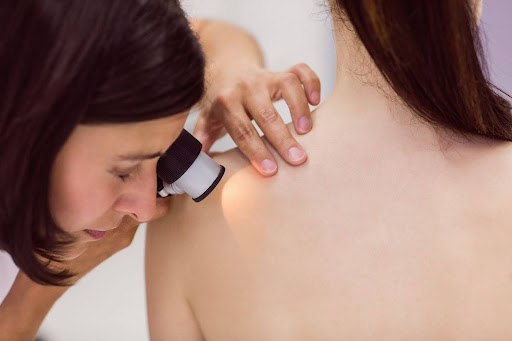
Mole removal should never be approached as a DIY procedure. Attempting removal at home or using unregulated treatments significantly increases the risk of infection, incomplete removal, delayed diagnosis of skin cancer, and permanent scarring. In some cases, disturbing a suspicious mole without proper assessment can complicate future diagnosis and treatment.
A professional assessment at a specialist clinic ensures the mole is carefully examined before removal, the safest technique is selected, and the tissue is managed appropriately. This approach protects both your health and the final cosmetic outcome, providing reassurance that the mole has been treated correctly from the outset.
Why Choose Waverley Park Minor Surgery Clinic for Mole Removal?
Waverley Park Minor Surgery Clinic provides medically led mole removal with careful attention to both patient safety and cosmetic results. Every procedure is performed in a calm, clinical environment, with a strong focus on minimising scarring wherever possible.
Experienced Minor Surgery Clinicians
Our GPs have extensive experience in minor surgical procedures, using proven techniques designed to remove moles safely while reducing unnecessary trauma to the surrounding skin. Careful planning, precise execution, and appropriate wound closure all play an important role in achieving subtle, well-healed scars.
Scar-Conscious Treatment Planning
Each mole is individually assessed, considering its size, depth, location, and whether it is raised or flat. This allows us to select the most suitable removal method to balance complete removal with the best possible cosmetic outcome. Scarring expectations are discussed openly, so patients know what to expect.
Attention to Healing and Aftercare
Clear, practical aftercare advice is provided to support optimal healing and reduce the risk of prominent scarring. This includes guidance on wound care, stitch removal when required, activity restrictions, and sun protection, all of which are essential for achieving the best long-term appearance.
Frequently Asked Questions
What are the different methods of mole removal treatment?
There are several medically recognised approaches to mole removal, and the most appropriate option depends on the mole’s characteristics and clinical assessment. These include shave mole removal, which is commonly used for raised, benign lesions where cosmetic outcome is the priority, and surgical excision, which removes the entire mole and allows the tissue to be examined histologically.
Does cosmetic mole removal leave a scar?
Any procedure that breaks the skin carries a chance of scarring, but cosmetic mole removal techniques are designed to keep scars as subtle as possible. The likelihood and visibility of a mark depend on factors such as the removal method, how the skin heals, and the original appearance of a mole. While most treatments do result in a scar to some degree, this is often flat, faint, and fades significantly over time with proper care.
What’s the healing time for mole removal?
Healing time varies depending on the removal method and the individual. Shave removal sites typically heal within one to two weeks, while surgical excision may take slightly longer, particularly if stitches are used. Following aftercare advice carefully helps promote healing and reduces the risk of infection or noticeable scarring.
How long does it take for a scar to fade?
Scars usually change gradually over time. In the first few weeks, a scar may appear red or pink, before slowly fading over several months as the skin remodels. Most scars continue to improve for up to 12 months, becoming flatter and less noticeable, especially when protected from sun exposure and managed with appropriate aftercare.
Can I remove a mole myself?
No. Attempting to remove the mole yourself using home remedies or unregulated devices is unsafe and strongly discouraged. DIY removal increases the risk of infection, incomplete removal, poor cosmetic outcomes, and delayed diagnosis of skin cancer. Professional assessment ensures the mole is suitable for removal, the correct technique is used, and your health and cosmetic results are properly protected.
Leave a reply