
Lipoma Removal: Cost, Options, Cancer Risk, and When to Treat
Finding a lump beneath your skin can be worrying. In many cases, the diagnosis is a lipoma, a common benign fatty growth. Although lipomas are usually harmless, people often have questions about cancer risk, removal options, recovery time, and cost.
This guide explains what lipomas are, when treatment is necessary, how removal is performed, what it costs in the UK, and how to decide whether removal is right for you.
What Is a Lipoma?
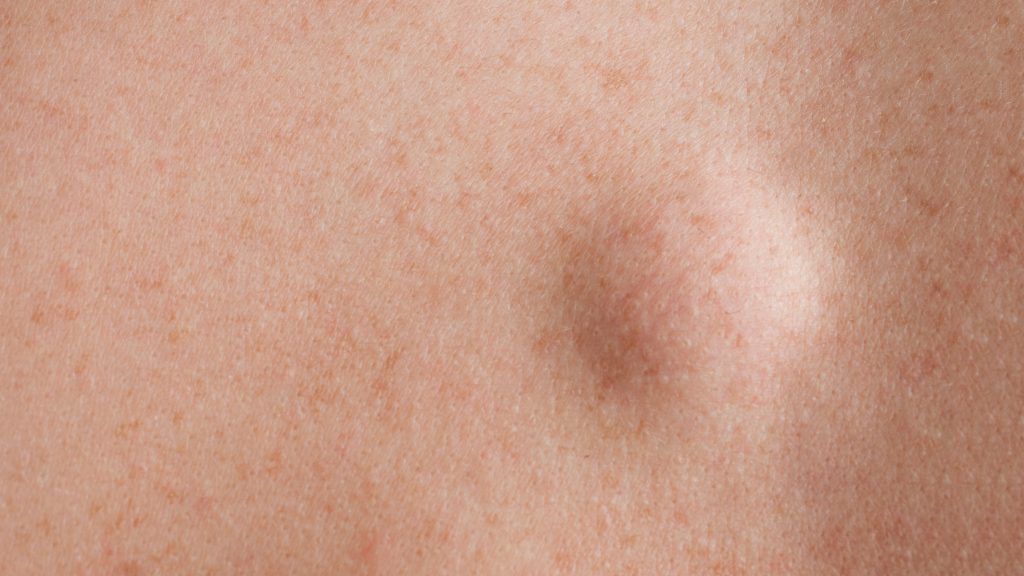
Lipomas are benign growths composed of fat cells that develop beneath the skin. They are the most common benign soft tissue tumour in adults and are estimated to affect around 1% of the population.
A typical lipoma is soft or rubbery to touch, slow-growing, painless, and mobile under the skin. They most often appear on the shoulders, back, arms, abdomen, and thighs, although they can occur almost anywhere fat tissue is present.
What Causes Lipomas?
The exact cause of lipomas is not fully understood. They develop from an overgrowth of mature fat cells beneath the skin, but the reason this occurs in certain individuals remains unclear.
Several factors are associated with lipoma development:
- Genetic predisposition: Lipomas can run in families. A rare inherited condition known as familial multiple lipomatosis is associated with the development of multiple lipomas over time.
- Age: Lipomas are most commonly diagnosed in adults between 40 and 60 years of age, suggesting that age-related tissue changes may contribute.
- Minor trauma: Some lipomas are first noticed at the site of a previous knock or bruise. Trauma is not considered a direct cause, but may draw attention to an existing lump.
- Metabolic associations: Some studies have observed higher rates of metabolic traits such as dyslipidaemia, obesity, hypertension, and type 2 diabetes in people with lipomas. However, this does not prove causation.
Lipomas are not caused by being overweight, and they do not disappear with weight loss. They can occur in individuals of all body types.
Can a Lipoma Be Cancer?
Lipomas do not become cancerous over time. However, a rare cancer called liposarcoma can arise from fatty tissue and may initially resemble a lipoma. Liposarcomas are uncommon, with an incidence of approximately 7 per 100,000 people.
Although both develop from fatty tissue, liposarcomas behave differently from lipomas and typically present with concerning features such as progressive growth, firmness, pain, or deeper location. In the vast majority of cases, soft fatty lumps assessed in primary care are benign lipomas rather than cancer.
The table below highlights typical distinctions.
| Feature | Lipoma | Liposarcoma |
| Nature | Benign growth of fat cells | Rare malignant tumour of fatty tissue |
| Growth rate | Slow growing over years | May grow progressively or more rapidly |
| Texture | Soft or rubbery | Firmer or more solid |
| Mobility | Moves under the skin | May feel fixed or attached |
| Pain | Usually painless | May cause pain or tenderness |
| Location | Typically superficial | Often deeper in thigh or abdomen |
| Cancer risk | Does not become cancer | Is a form of cancer |
It is important to note that physical examination alone cannot always definitively distinguish between the two. If there is diagnostic uncertainty, imaging or histological analysis provides confirmation.
Do Lipomas Need to Be Removed?
In most cases, lipomas do not require treatment. Many remain stable for years and cause no medical problems.
Removal may be considered if the lipoma is growing, causing discomfort, interfering with movement, or creating cosmetic or psychological concern. Some people choose removal for reassurance, particularly if the diagnosis is uncertain.
The NHS may offer lipoma removal when there is a clear medical indication, such as persistent discomfort, rapid growth, functional limitation, or diagnostic uncertainty. However, lipomas that are benign and not causing medical symptoms are not routinely removed for cosmetic reasons.
As a result, many patients seek private lipoma removal when the primary concern is appearance, convenience, or faster access to treatment. The decision to proceed depends on symptoms, size, location, and individual preference.
Lipoma Removal Options
When removal is appropriate, different surgical approaches have been described. The choice of technique should prioritise complete removal, diagnostic certainty, and long-term reliability over purely cosmetic considerations.
At Waverley Park Minor Surgery Clinic, lipomas are removed by formal surgical excision only, as this remains the most definitive and evidence-based method of treatment.
Surgical Excision
Surgical excision is the gold standard treatment for lipomas. It involves making a carefully planned incision over the lump and removing the fatty tissue intact, including its surrounding capsule.
This approach:
- Achieves complete removal
- Has the lowest recurrence rate, typically reported at under 2% when fully excised
- Allows the tissue to be sent for histological examination
- Provides diagnostic reassurance
- Is suitable for both superficial and deeper lipomas
A small linear scar is expected, and sutures are usually required. For most patients, the long-term reliability and reassurance of complete excision outweigh the trade-off of a minor scar.
Liposuction-Based Removal
Liposuction techniques remove fatty tissue through a narrow cannula inserted via a small incision. The lipoma is removed in fragments rather than intact.
Although this may initially result in a smaller visible scar, the capsule is often not fully removed. This increases the risk of incomplete removal and recurrence. In addition, fragmented tissue may limit full pathological analysis.
For these reasons, liposuction is not performed at Waverley Park Minor Surgery Clinic.
Minimal-Scar Techniques
Refined excision approaches can reduce the visibility of scarring by placing incisions within natural skin creases or using careful surgical planning. However, these techniques still rely on complete surgical excision of the lipoma.
Very large, deep, or poorly defined lipomas are not suitable for limited-access approaches if complete removal cannot be achieved safely.
At Waverley Park Minor Surgery Clinic, the priority is complete excision, diagnostic certainty, and predictable long-term outcomes rather than minimal access techniques that may compromise reliability.
How Much Does Lipoma Removal Cost?
Cost is an important consideration for patients exploring private treatment options. At Waverley Park Minor Surgery Clinic, lipoma removal costs £500. The initial consultation fee is £50 and is deducted from the procedure cost if treatment proceeds.
The fixed fee includes local anaesthetic, surgical excision, dressings, written aftercare instructions, pathology testing, communication of results to your NHS GP, and follow-up where required.
Lipoma Removal Procedure
Lipoma removal follows a structured, clinician-led approach designed to ensure accurate diagnosis, complete excision, and smooth recovery.
1. Initial Consultation and Assessment
Every procedure begins with a detailed consultation. During this appointment:
- The lipoma is examined to assess size, depth, mobility, and consistency.
- Your medical history is reviewed, including medications and any relevant health conditions.
- Symptoms such as growth, discomfort, or cosmetic concerns are discussed.
- If there is any diagnostic uncertainty, imaging such as ultrasound may be recommended.
The surgical excision procedure, expected recovery, scarring, and potential risks are explained clearly so you can make a fully informed decision.
- Local Anaesthetic
On the day of the procedure, the area around the lipoma is carefully cleaned and prepared. A local anaesthetic is injected to numb the area completely.
You remain awake throughout, but the treated area is fully desensitised. Most patients report feeling only pressure rather than pain.
3. Surgical Excision
Once numb, a small, precisely placed incision is made directly over the lipoma.
The fatty tissue is carefully dissected from surrounding structures and removed intact, including its capsule. Removing the lipoma in one piece is important for:
- Reducing the risk of recurrence
- Providing a complete specimen for laboratory analysis
- Ensuring diagnostic certainty
The procedure typically takes between 30 and 60 minutes, depending on the size and location of the lipoma.
4. Wound Closure
After removal, the incision is closed with sutures. Careful alignment of the skin edges helps promote optimal healing and minimise scarring.
A sterile dressing is applied before you leave the clinic.
5. Histological Examination
All removed tissue is routinely sent to a pathology laboratory for microscopic examination.
This confirms the diagnosis and provides reassurance that the lump was benign. Results are communicated to your GP to ensure continuity of care.
How Long Is Recovery After Lipoma Removal?
Recovery after lipoma removal is usually straightforward and quicker than many people expect.
The first 7 to 14 days represent the main healing phase. Mild swelling or bruising is common, and discomfort is usually manageable with simple pain relief. Many people return to desk-based work within 24 to 48 hours.
Strenuous exercise and heavy lifting are generally avoided for 1 to 2 weeks. Scar maturation continues over several months, with final appearance improving for up to 12 months.
Why Choose Waverley Park Minor Surgery Clinic for Lipoma Removal?
Waverley Park Minor Surgery Clinic in Glasgow provides clinician-led lipoma assessment and removal in a regulated medical setting. All procedures are carried out by experienced General Practitioners, with a focus on accurate diagnosis and predictable long-term outcomes.
Clinically Led Assessment and Definitive Treatment
With more than 20 years’ experience in minor surgery, the doctors at Waverley Park regularly assess and remove a wide range of soft tissue lesions, including lipomas, cysts, and other benign lumps. Each lipoma is carefully examined to confirm the diagnosis and ensure that removal is appropriate.
Individualised Assessment and Surgical Planning
Every lipoma is assessed on its own merits. Size, depth, anatomical location, symptoms, and cosmetic considerations are all taken into account before treatment is recommended.
The surgical technique is planned carefully to achieve complete removal while supporting optimal healing. Clear explanations are provided throughout the consultation so you understand what the procedure involves, expected recovery, and likely cosmetic outcome before proceeding.
Diagnostic Reassurance and Histological Confirmation
All excised lipomas are sent for histological examination to confirm the diagnosis. This provides definitive reassurance and ensures that any unexpected findings are identified promptly. Results are communicated to your NHS GP, maintaining continuity of care and accurate medical records.
Transparent Pricing and Structured Aftercare
Pricing is discussed in advance, with clear explanation of what is included. Lipoma removal includes local anaesthetic, surgical excision, pathology testing of the removed tissue, communication of results, and detailed aftercare guidance.
Follow-up is arranged where required to ensure recovery progresses as expected and healing remains uncomplicated.
I
Frequently Asked Questions
What is the main cause of lipoma?
The exact cause of a lipoma is not fully understood. Lipomas develop from an overgrowth of mature fat cells beneath the skin, but why this happens in certain individuals remains unclear. Genetic factors are thought to play a role, particularly in people with a family history of multiple lipomas. Lipomas are not caused by infection and are not directly linked to being overweight.
How can I tell if a lump is a lipoma?
A lipoma typically feels soft or rubbery, is painless, and moves slightly under the skin when pressed. It usually grows slowly over time and is located just beneath the skin. However, not all lumps are lipomas. Any new, changing, painful, firm, or deep lump should be assessed by a clinician to confirm the diagnosis and exclude rarer conditions.
At what size should a lipoma be removed?
There is no specific size at which a lipoma must be removed. Many small lipomas can be safely left alone if they are not causing symptoms. Removal is usually considered if the lipoma is increasing in size, causing discomfort, interfering with movement, located in a prominent area, or creating cosmetic or psychological concern. Larger or deep lipomas may also warrant assessment to confirm the diagnosis.
Does NHS cover lipoma removal?
The NHS may offer lipoma removal when there is medical justification, such as diagnostic uncertainty, rapid growth, pain, functional impairment, or suspicion of an alternative diagnosis. Lipomas that are clearly benign and not causing medical problems are not routinely removed for cosmetic reasons on the NHS. Waiting times may also apply where treatment is approved.
How much does it cost to have a lipoma removed in the UK?
At Waverley Park Minor Surgery Clinic, lipoma removal is offered at a fixed fee of £500, with an initial consultation fee of £50 that is deducted from the procedure cost if you proceed with treatment.
Leave a reply