
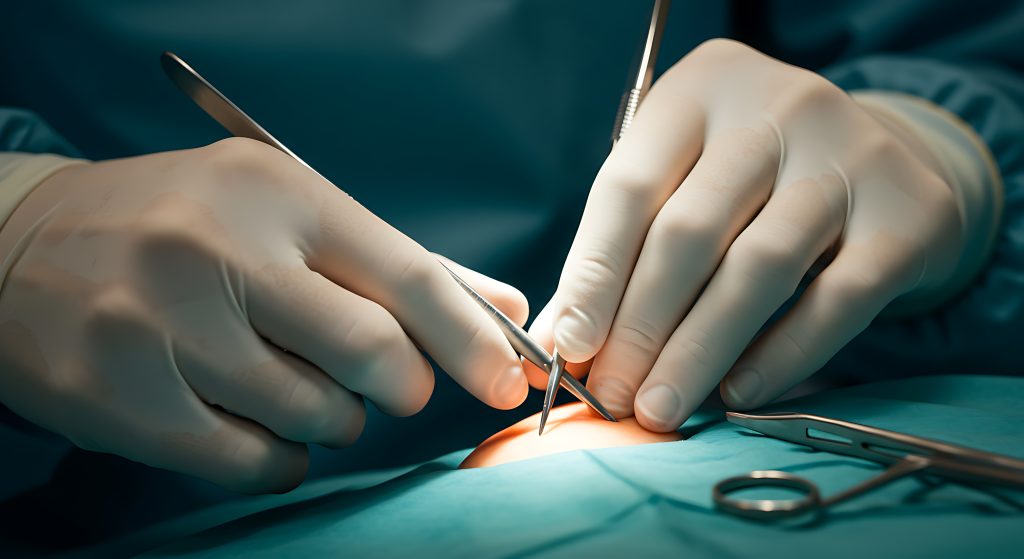
Will a Doctor Remove a Cyst on the First Visit?
If you have a cyst that is painful, growing, or repeatedly inflamed, you may not want multiple appointments and long waiting times. Many patients ask whether a doctor can remove a cyst on the first visit, particularly when they are seeking fast, definitive treatment.
The answer depends on the clinic, the condition of the cyst, and how the service is structured. In some settings, removal can be performed promptly. In others, assessment and surgery are scheduled separately.
What Is a Cyst?
A cyst is a closed sac that forms beneath the skin and contains fluid, pus, or keratin material. Most cysts are benign and slow-growing. They often feel smooth and rounded and may move slightly under the skin when pressed.
Although many cysts remain harmless, they can enlarge over time or become inflamed or infected. When this happens, they may become painful, red, swollen, or begin to discharge material.
What Are the Different Types of Cysts?
Several types of cysts are commonly seen in clinical practice. Each behaves slightly differently and may require a tailored approach.
- Epidermoid cysts: These are among the most common skin cysts. They contain keratin material and may have a small central opening. They often grow slowly but can become inflamed if irritated.
- Pilar cysts: These usually develop on the scalp and arise from hair follicles. They are typically firm and smooth and may run in families. While often painless, they can enlarge gradually and become more noticeable.
- Sebaceous cysts: These form around oil-producing glands and contain soft, yellowish material. They may become tender or swollen if irritated or infected.
- Ganglion cysts: These develop near joints or tendons, particularly in the wrist or hand. They are filled with a clear, jelly-like fluid and may fluctuate in size. If they restrict movement or cause discomfort, removal may be considered.
Understanding the type of cyst helps determine whether same-day removal is possible and whether the area needs to settle before surgery is performed.
What Determines Whether Cyst Removal Can Happen Immediately?
Several factors influence whether a cyst can be removed during your first appointment.
- Whether the cyst is clearly benign in appearance
- Whether it is not actively infected or severely inflamed
- Whether sufficient time and facilities are available for minor surgery
- Whether you have already had an assessment or referral
If the cyst is straightforward and suitable for excision, and the clinic is set up for same-day minor procedures, removal may be possible.
Why Some Services Require Multiple Visits
In many healthcare settings, particularly within standard referral pathways, the first appointment is assessment only. A second visit is then arranged for surgery. This can mean:
- Delays between diagnosis and treatment
- Continued discomfort while waiting
- Risk of the cyst becoming infected in the meantime
If a cyst is already inflamed, antibiotics or drainage may be required before definitive excision can be performed safely. This can add further appointments.
The Advantage of Planned Private Minor Surgery
When a cyst is growing, becoming infected, or causing ongoing anxiety, waiting weeks or months for treatment can feel frustrating. Planned private minor surgery is designed to remove uncertainty and provide a clear, timely solution rather than repeated assessments and delays.
Private clinics are structured to combine expert evaluation with efficient access to treatment. For patients who want definitive care without prolonged waiting, this approach offers practical and medical advantages.
Prompt Assessment and Clear Treatment Plan
From your first appointment, you receive a thorough clinical examination and a clear explanation of your options. If removal is appropriate, a structured plan is agreed without ambiguity or unnecessary repeat visits. This clarity helps reduce anxiety and supports confident decision-making.
Shorter Waiting Times
Faster access to assessment and surgery means less time living with discomfort or uncertainty. It also reduces the risk of the cyst enlarging, becoming infected, or requiring antibiotics while waiting for treatment.
Removal Under Optimal Conditions
When excision is planned promptly, it can often be performed before repeated inflammation develops. Removing a cyst while it is calm and non-infected typically leads to a more straightforward procedure, improved healing, and a better cosmetic result.
Breaking the Cycle of Flare Ups
Repeated delays can allow cysts to become inflamed again and again, leading to ongoing GP visits and temporary treatments. Early definitive removal interrupts this pattern and reduces the likelihood of future complications.
For patients dealing with recurrent infection, steady growth, visible cosmetic concerns, or simple frustration with repeat appointments, timely private treatment offers both efficiency and reassurance.
What Does Cyst Removal Involve?
When performed in a minor surgery setting, cyst removal is a straightforward and carefully controlled procedure. Understanding each stage can help reduce anxiety and clarify what to expect.
-
Initial Consultation and Assessment
Your appointment begins with a detailed clinical examination. A qualified doctor will assess the cyst, confirm the likely diagnosis, and discuss your symptoms and concerns.
You will receive clear information about:
- Whether removal is appropriate
- Possible side effects
- The risk of scarring
- Expected healing time
- Aftercare requirements
This ensures you can make an informed decision before proceeding.
-
The Surgical Procedure
Cyst removal is carried out under local anaesthetic to ensure the area is fully numb. You may feel brief stinging during the injection, but the procedure itself should not be painful.
A small incision is made and the entire cyst, including its wall, is carefully removed to reduce the risk of recurrence. The wound is then closed with stitches.
The procedure typically takes 20 to 40 minutes, depending on the size and location of the cyst.
-
Pathology Confirmation
The removed tissue is sent to a local pathology laboratory to confirm the diagnosis. Your GP is informed of the results to ensure continuity of care and provide additional reassurance.
-
Recovery and Aftercare
After surgery, you will receive detailed instructions on how to care for the treated area. Mild soreness or tightness is common for a few days.
Most patients:
- Return home shortly after the procedure
- Resume light activities within 24 to 48 hours
- Have stitches removed after 7 to 14 days, depending on location
Recovery time varies depending on the size and type of cyst removed. Careful wound care and following medical advice play an important role in minimising scarring and supporting optimal healing.
Is Fast Removal Always the Best Option?
While many patients prefer rapid treatment, removal should still be carried out under the right clinical conditions. If a cyst is actively infected, it may first need antibiotics or drainage before definitive excision can be safely performed.
That said, early assessment is important. Addressing a cyst before repeated infection or significant enlargement often makes removal simpler and recovery more predictable.
In some cases, NHS treatment is available when there is a clear medical need, but waiting times can apply, particularly if the cyst is considered non-urgent. Private minor surgery clinics typically offer faster access to both assessment and planned removal, allowing patients to avoid prolonged discomfort or repeated flare-ups while waiting.
How Much Does Private Cyst Removal Cost?
Private cyst removal at our Glasgow clinic is £600. The initial consultation fee is £50, which is fully deducted from the cost of the procedure if you choose to proceed with treatment.
The fee includes clinical assessment, complete surgical excision under local anaesthetic, and pathology confirmation. You will also receive detailed aftercare instructions and follow-up guidance to support healing.
While the NHS may provide cyst removal in certain medically necessary cases, waiting times can apply. For patients seeking prompt, planned treatment without delays, private minor surgery offers faster access and a clear, structured pathway from consultation to removal.
Why Choose Waverley Park Minor Surgery Clinic for Cyst Removal?
Waverley Park Minor Surgery Clinic offers safe, clinically supervised cyst removal in a calm and professional environment. Our approach prioritises complete excision, patient reassurance, and careful aftercare to reduce recurrence and support optimal healing.
Experienced Minor Surgery Expertise
Our clinicians have over 20 years of experience in minor surgical procedures. We focus on precise technique and complete removal of the cyst wall, which is essential to minimise the risk of the cyst returning. Procedures are performed under effective local anaesthetic to ensure comfort throughout.
Individualised Clinical Assessment
Every cyst is assessed carefully before treatment. We evaluate its type, size, location, and whether there are signs of infection or inflammation. You will receive a clear explanation of the recommended approach, potential risks, healing expectations, and likely cosmetic outcome so you can make a confident and informed decision.
Supportive Aftercare and Follow Through
After your procedure, you will receive clear instructions on wound care and recovery. Removed tissue is sent for pathology confirmation, where appropriate, and your GP is informed of the results. Our team remains available to answer questions and provide reassurance during your healing process.
Frequently Asked Questions
What are the most common symptoms of a cyst?
Most cysts appear as smooth, round lumps beneath the skin that grow slowly over time. They are often painless, but may become red, swollen, tender, or warm if they become infected. Some cysts develop a small central opening or may discharge material. Any rapid change in size, increasing pain, or signs of infection should prompt medical assessment.
Is it worth it to remove a cyst?
Removal is often worthwhile if a cyst is painful, repeatedly inflamed, steadily enlarging, or causing cosmetic concern. While some cysts can be safely monitored, others may become infected or continue to grow. Early planned excision can prevent repeated flare-ups and reduce future complications. A consultation helps determine whether monitoring or treatment is the most appropriate option.
Can you remove a cyst at home?
Attempting to remove a cyst at home is strongly discouraged. Squeezing or cutting into a cyst can push material deeper into the tissue, increase infection risk, and cause scarring. Even if some contents drain, the cyst wall remains unless it is completely removed during a medical procedure. Professional removal is safer and significantly reduces the chance of recurrence.
Can a cyst come back after it’s removed?
If the cyst is completely removed, including its full lining, recurrence is unlikely. However, if any part of the cyst wall remains, the cyst may return over time. This is why complete surgical excision is considered the most reliable treatment method. Choosing an experienced clinician helps minimise the risk of recurrence.
What does the cyst removal procedure involve?
Cyst removal is a minor medical procedure performed under local anaesthetic. The doctor will numb the area, make a small incision, and carefully remove the entire cyst wall to reduce recurrence. The wound is then closed with stitches, and the tissue is often sent for pathology confirmation. Most procedures take 20 to 40 minutes, and patients usually return home shortly afterwards.
Leave a reply