
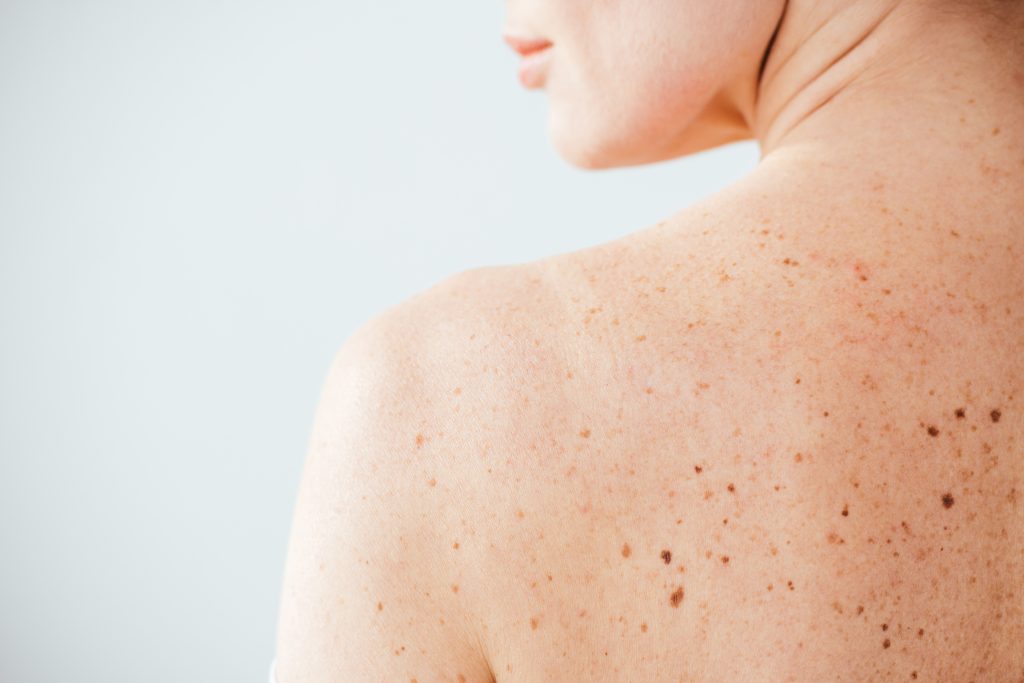
How Long Does It Take to Heal After Mole Removal?
How Long Does It Take to Heal After Mole Removal?
Mole removal is a common minor surgical procedure, and a frequent question patients ask is how long healing will take afterward. While recovery is usually straightforward, healing time can vary depending on the type of mole, the removal technique used, the area of the body treated, and how well aftercare advice is followed.
In this article, we explain the typical healing timelines after mole removal, how different techniques affect recovery, and how professional care helps support optimal results.
What Affects Healing Time After Mole Removal?
The time it takes for skin to heal after professional mole removal can vary from person to person. Healing is influenced by a combination of procedural factors, the characteristics of the mole itself, and individual biological differences.
Removal Technique Used
The mole removal method selected is one of the most significant factors in determining both healing time and the appearance of the healed area.
- Surgical Excision: The entire mole, along with a margin of surrounding tissue, is removed, and the wound closed with stitches. Deeper tissue involvement means healing is gradual and may take longer, but this technique allows for a full biopsy of the mole.
- Shave Removal: The mole is removed at skin level without sutures. The wound heals from the surface inward, similar to a superficial graze, and recovery is generally faster. This method is often preferred for raised, benign moles where a good cosmetic outcome is the priority.
Size, Depth, and Location of the Mole
The physical characteristics of the mole also influence healing. Larger or deeper moles require more extensive tissue removal, which naturally extends the healing process.
Location is equally important; areas with a rich blood supply, such as the face, tend to heal more quickly, while regions exposed to frequent movement or tension, such as the back, shoulders, or joints, are more prone to slower healing.
Individual Healing Factors
Personal biological factors play a key role in recovery, influencing how efficiently the skin repairs itself:
- Age: Younger skin tends to heal faster, while older skin may have slower regenerative capacity, increasing scar visibility.
- Skin Type & Genetics: People with darker skin tones are likely to develop keloid scars. Some individuals are genetically predisposed to hypertrophic or keloid scarring.
- Overall Health: Conditions such as diabetes, poor nutrition, or immune compromise can delay healing.
- Lifestyle Factors: Smoking can reduce blood flow and oxygen to tissues, slowing healing and increasing the risk of more noticeable scars.
Proper Aftercare
Proper aftercare significantly impacts both recovery time and the final appearance of the mole removal site. Key steps include:
- Keep the area clean and dry: For the first 24–48 hours, follow your clinician’s instructions carefully to reduce the risk of infection.
- Follow wound care guidance: Apply recommended ointments or dressings and avoid picking at scabs.
- Manage activity: Avoid heavy exercise or stretching of the area, especially if stitches are present.
- Attend follow-up appointments: Sutures are usually removed between 5–14 days, depending on the site.
- Protect from the sun: UV exposure can darken scar tissue, so cover the area or use high-factor sunscreen once the wound has healed.
Proper aftercare helps promote faster healing, reduces the risk of infection, and supports a more subtle, cosmetically favourable scar.
Healing Timeline by Mole Removal Method
The healing process after mole removal varies depending on the technique used. Understanding the expected healing stages for each approach helps patients know what is normal, anticipate recovery milestones, and recognise when healing is progressing as expected.
Healing After Surgical Excision
Surgical excision is considered the most reliable technique when malignancy is suspected or when the mole extends deeper into the skin. The entire mole is removed in an elliptical shape and the wound is closed with sutures, allowing the tissue to be sent intact for biopsy.
Typical healing timeline:
- First 1–2 days: Mild swelling, redness, or tenderness is common.
- 5–14 days: Stitches are removed, depending on the body area.
- 2–4 weeks: The wound surface heals fully.
- Several months: The linear scar gradually fades and softens as the skin remodels.
Although excision leaves a scar, skilled surgical technique allows the wound to be closed along natural skin lines, reducing tension and helping the scar blend more naturally over time.
Healing After Shave Removal
Shave removal is faster and less invasive, making it ideal for raised, benign moles where cosmetic outcome is the primary concern. The mole is shaved flush with the skin, and the base is cauterised to control bleeding.
Typical healing timeline:
- First few days: A shallow scab forms as the skin begins to heal.
- 7–14 days: The scab falls away naturally.
- 2–3 weeks: New skin covers the area.
- Weeks to months: The area may appear slightly pink or pale before blending in.
Shave removal often results in a flat mark rather than a line and usually heals faster than excision. However, it is not suitable for moles that appear suspicious, as the depth cannot be fully assessed.
What to Expect After Mole Removal
Mole removal is performed under local anaesthetic and typically takes around 30 minutes. Most patients can return home shortly afterward.
- A dressing is applied to protect the area
- Mild soreness or tightness is normal
- Bleeding is minimal and easily controlled
If the mole has been excised, the tissue is sent to a pathology laboratory for confirmation of diagnosis, and your GP is notified of the results.
How Long Does It Take for the Mole Removal Scar to Fully Fade?
While the skin heals within weeks, scar maturation takes longer. Most scars continue to improve for 6–12 months, gradually becoming softer, flatter, and less noticeable.
Factors such as scar location, skin type, and aftercare all influence how visible the final mark will be. In many cases, scars become subtle enough to blend naturally with surrounding skin.
Why Professional Care Matters for Healing
Professional assessment ensures the correct removal method is chosen, balancing medical safety with cosmetic outcome. Attempting mole removal at home or using unregulated treatments significantly increases the risk of infection, delayed healing, poor scarring, and missed diagnosis of skin cancer.
A specialist clinic provides:
- Accurate pre-removal assessment
- Appropriate technique selection
- Safe wound closure
- Clear aftercare guidance
Why Choose Waverley Park Minor Surgery Clinic?
Waverley Park Minor Surgery Clinic offers medically led mole removal with a strong focus on safe healing, minimal scarring, and patient reassurance. Every stage of care is designed to support predictable recovery and the best possible cosmetic outcome.
Experienced Minor Surgery Clinicians
Our GPs have extensive experience in minor surgical procedures and use refined, evidence-based techniques to remove moles accurately while minimising trauma to surrounding skin. This precision supports faster healing and more discreet scarring.
Personalised Treatment Planning
Each mole is carefully assessed based on its size, depth, location, and appearance. This enables us to select the most suitable removal method, striking a balance between medical safety and optimal healing time and cosmetic results. Healing expectations are discussed clearly before treatment.
Comprehensive Aftercare and Ongoing Support
Patients receive clear, practical aftercare instructions covering wound care, activity limitations, stitch removal when required, and sun protection. Ongoing support throughout recovery helps reduce complications and promote efficient healing.
Frequently Asked Questions
What technique is better for mole removal?
The most appropriate method depends on the mole’s size, depth, location, and whether there are any features of concern. Surgical excision is the gold standard when a mole needs to be fully removed and analysed, while shave removal is often preferred for raised, benign moles where cosmetic outcome is the main priority. A professional assessment ensures the safest and most effective option is chosen.
What does the mole removal procedure involve?
Mole removal is a minor procedure performed under local anaesthetic and usually takes around 30 minutes. Once the area is numbed, the doctor removes the mole using either excision or shave technique, depending on clinical suitability. If excised, the wound is closed with stitches, and the tissue is sent for laboratory analysis.
Is mole removal aftercare important?
Yes, aftercare plays an important role in healing, infection prevention, and minimising scarring. Following the clinician’s instructions on wound care, dressing changes, activity restriction, and sun protection helps ensure the skin heals properly and the final cosmetic result is as subtle as possible.
How can I speed up the healing of a mole removal?
Healing can be supported by keeping the area clean and dry initially, avoiding unnecessary stretching or friction, and protecting the skin from sun exposure once healed. Maintaining good overall health also helps the skin repair itself more efficiently.
What not to do after getting a mole removed?
After mole removal, you should avoid picking scabs, getting the wound wet too early, strenuous exercise that may stretch the area, and exposing the healing skin to direct sunlight. Using unapproved creams or attempting to interfere with stitches can delay healing and increase the risk of infection or noticeable scarring.
[…] procedures are minimally invasive and precisely targeted, patients typically experience shorter recovery periods. Most minor mole removals are completed under local anaesthetic in a single session, and normal […]
Reply