How Much Does Mole Removal Cost?
How Much Does Mole Removal Cost?
Having a mole removed is an important decision, whether for medical reasons or cosmetic concerns. Cosmetic mole removal is not funded on the NHS, which is why many people choose private clinics for faster access, expert care, and predictable results.
This article provides a complete guide to mole removal at Waverley Park in Glasgow, including the total cost, the different removal techniques, and what to expect before, during, and after the procedure.
What Is Mole Removal?
Mole removal is a minor surgical procedure used to remove raised or flat skin lesions known as moles. While most moles are completely harmless, many people choose to have them removed for cosmetic reasons, or because they rub on clothing, cause irritation, or affect confidence.
Moles are extremely common. Most adults have around 30 to 40 moles, although some individuals may have significantly more. Because moles vary widely in size, shape, and appearance, each one should be assessed individually before removal.
Before any procedure, the mole is carefully examined to confirm that it is suitable for cosmetic treatment and to ensure the most appropriate and safest removal technique is selected.
Types of Mole Removal
Different mole removal methods are used depending on the mole’s size, depth, location, and characteristics. Not all clinics provide every technique, and the most suitable approach is selected during your consultation.
Shave Removal
Shave removal is ideal for raised, benign moles. The clinician removes the mole at skin level using a fine surgical blade. No stitches are required, and healing is usually quick. A flat, pale mark may remain once fully healed.
Curettage
Curettage is used for certain superficial lesions. The surface of the mole is gently scraped away using a specialised instrument, sometimes combined with cautery. It is not appropriate for deeper or suspicious lesions.
Excision
Excision is recommended for deeper moles or where the entire lesion needs to be removed intact for pathology. The mole is surgically removed under local anaesthetic, and the wound is closed with sutures. This method always leaves a fine linear scar but provides the most complete laboratory assessment.
Laser Mole Removal
Laser treatment is sometimes used for superficial pigment lesions. However, it is not suitable for moles that require pathology, as it does not produce an intact sample. For this reason, many clinics prioritise surgical techniques for safe and reliable mole removal.
At Waverley Park, we provide expert surgical excision and shave removal techniques, offering safe and effective cosmetic mole removal with full pathology assessment.
How Much Does Mole Removal Cost at Waverley Park?
Waverley Park Minor Surgery provides clear, upfront pricing with no hidden fees or unexpected add-ons. Our goal is to offer safe, expert mole removal carried out by experienced General Practitioners, with everything included from start to finish.
Initial Consultation: £50
This appointment includes a full medical review and a detailed dermatoscopic assessment of your mole. If you choose to go ahead with removal, the consultation fee is deducted from the procedure cost.
Mole Removal Procedure: £500 (all inclusive)
Our single, fixed fee covers every stage of the treatment:
- Local anaesthetic
- Shave removal or surgical excision
- All dressings and written aftercare guidance
- Full pathology testing of the removed mole
- Communication of results to your NHS GP
- Follow up for suture removal if required
There are no additional charges for pathology, dressings, or follow-up appointments.
Mole Removal Consultation
The consultation is an essential part of the mole removal process. It ensures the treatment is appropriate, safe, and tailored to your needs.
- Initial consultation: Your appointment begins with a detailed discussion of your medical history and your goals for mole removal.
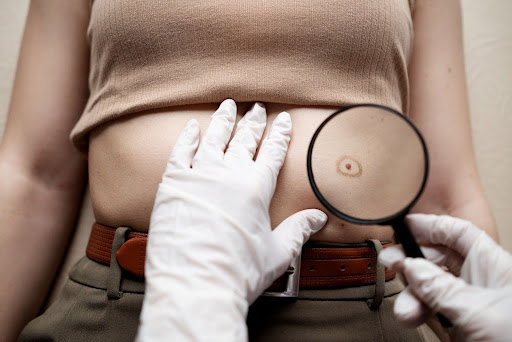
- Dermatoscopic assessment: The doctor examines the mole using a dermatoscope, a specialised magnifying device that highlights structures beneath the skin. This allows an accurate assessment of whether the mole appears benign and is appropriate for cosmetic treatment.
- Checking for concerning features: Although the majority of moles are harmless, some may develop characteristics associated with melanoma. These can include recent changes in colour or shape, new itching, crusting, flaking, bleeding, or noticeable growth. If any features raise concern, you will be directed to your NHS GP for urgent assessment rather than undergoing cosmetic removal.
- Choosing the correct removal technique: If the mole is suitable for removal, the clinician will advise on the most appropriate technique based on the mole’s size, depth, and location. You will also be given clear information about scarring, healing times, and expected results.
Mole Removal Procedure
Mole removal at Waverley Park is a straightforward minor surgical treatment carried out under local anaesthetic.
- Local anaesthetic: Once you decide to proceed, the area around the mole is numbed with local anaesthetic. This ensures the procedure is comfortable throughout.
- Mole removal: The removal itself usually takes around 30 minutes. The doctor performs either a shave removal or a surgical excision, depending on what was agreed during your consultation.
- Dressings and aftercare: A sterile dressing is applied, and you will receive clear written instructions on how to look after the area. Good aftercare helps support healing and minimises the appearance of scarring.
- Pathology testing: The removed tissue is sent to a local pathology laboratory to confirm the diagnosis. Your NHS GP is informed of the result, so your medical records remain accurate and complete.
Aftercare and Recovery
Proper aftercare helps prevent infection and supports the best cosmetic outcome:
- Keep the area clean and dry for the first 24–48 hours
- Follow instructions for changing dressings
- Avoid strenuous activity that may stress the wound
- Protect the area from sun exposure until fully healed
- Sutures (if used) are usually removed within 5–14 days
- Scar appearance improves over weeks to months
Typical Recovery Timeline:
- 1–2 weeks: initial healing and suture removal
- 2–4 weeks: wound begins to settle
- 3–6 months: scar softens and fades, depending on location and size
Risks and Complications of Mole Removal
Mole removal is generally very safe, but as with any minor surgery, there are some risks:
- Minor scarring (expected, but usually minimal)
- Infection (rare, usually prevented with proper aftercare)
- Bleeding or bruising
- Recurrence of mole tissue (rare with excision)
Can I Get Moles Removed on the NHS?
The NHS only removes moles if there is a medical concern, such as the possibility of skin cancer. Cosmetic mole removal is not funded, which is why many people choose private clinics for faster access and predictable cosmetic results.
When To See a GP
You should contact your NHS GP promptly if you notice a mole that:
- Has changed in size, shape or colour
- Is painful or itchy
- Is inflamed, bleeding or crusty
- Is a new or unusual mark on your skin that has not healed within a few weeks
Early detection of melanoma makes treatment simpler and more effective.
Treatments for Concerning Moles
If your GP suspects melanoma, you will be referred to a hospital specialist, usually within two weeks. The primary treatment is surgical removal of the mole to ensure complete excision and accurate diagnosis.
Why Choose Waverley Park Minor Surgery Clinic for Mole Removal?
Waverley Park Minor Surgery Clinic in the Southside of Glasgow provides safe, discreet, and professional mole removal. Our highly skilled GPs ensure every procedure is performed with precision, prioritising patient safety and optimal cosmetic outcomes. Patients receive personalised guidance, clear communication, and thorough aftercare throughout their treatment.
Specialised Care You Can Trust
With over 20 years of experience, our team of highly trained general practitioners and specialists offers a wide range of minimally invasive minor surgery procedures. These include treatment for common skin conditions such as cysts, lipomas, and mole removal, all delivered with meticulous attention to safety, precision, and patient care.
Tailored Treatment Plans
At Waverley Park, we prioritise your individual needs. Our experienced GPs work closely with each patient to develop a tailored treatment plan that meets your goals and preferences. We aim to create a supportive and professional environment where you feel informed, comfortable, and confident throughout the mole removal process.
Transparent Costs and Payment Options
We provide clear, upfront pricing so you know exactly what to expect. Our fees reflect the high standard of care, expert surgical intervention, and comprehensive aftercare included in every procedure. Most minor surgical procedures, including mole removal, are performed under local anaesthetic, minimising discomfort and downtime.
Frequently Asked Questions
What should I do if I am worried about a mole?
Most moles are harmless, but you should contact your NHS GP if a mole changes in size, shape, or colour, becomes itchy, bleeds, crusts, or starts to look different from others. The ABCDE guide is often used to identify concerning features. Any mole with these features should be checked promptly through NHS pathways.
How much will it cost to have a mole removed?
The cost of removing a mole privately depends on the clinic, the removal technique used, and whether pathology testing is included. At Waverley Park, pricing is transparent, with a £50 consultation fee deducted from the total procedure cost of £500, which includes assessment, removal, pathology, and aftercare.
What does the mole removal process involve?
Mole removal treatment begins with a consultation where the doctor examines the mole and the surrounding skin to confirm it is safe to remove. The procedure is carried out under local anaesthetic and usually takes around 30 minutes. The mole is removed using either a shave technique or surgical excision, depending on its depth and appearance.
What are the most common methods of mole removal?
The treatment option used depends on whether the mole is not believed to be suspicious and whether it is flat or raised. Raised moles that protrude from the skin are often suitable for shave removal, while deeper moles usually require surgical excision. The most appropriate technique is chosen during consultation to ensure safe, complete removal and accurate assessment.
Is it okay to remove moles yourself?
No, you should never attempt to remove moles at home. Moles need to be properly checked before removal, as cutting or burning a mole yourself can lead to infection, scarring, or missed signs of skin cancer. Getting a mole removed safely should always be done by a qualified medical professional.
Leave a reply