
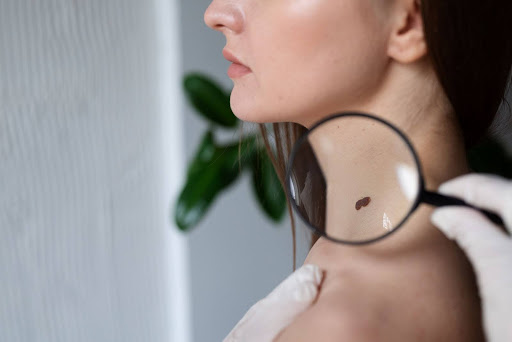
Laser vs Surgical Excision Mole Removal: Which Is Better for You?
Laser vs Surgical Excision Mole Removal: Which Is Better for You?
Mole removal is one of the most common minor cosmetic procedures, but patients often wonder which method is most suitable for their skin, the type of mole, and the desired outcome. Two widely discussed approaches are laser removal and surgical excision.
In this article, we break down how each technique works, the benefits and limitations of both, and how to choose the safest and most effective option for your needs.
What Is Laser Mole Removal?
Laser treatment uses focused beams of light to break down pigment and destroy targeted cells in the mole. It is generally considered minimally invasive and is often promoted for cosmetic purposes. Laser removal can be effective for superficial pigmented lesions and small, flat moles, particularly in visible areas such as the face or hands.
Benefits of Laser Mole Removal
- Minimal scarring, ideal for cosmetic areas
- No stitches required
- Quick procedure with little downtime
- Precise targeting of the mole while sparing the surrounding skin
Limitations of Laser Mole Removal
- Not suitable for moles that need biopsy or cancer testing
- Most effective for small, flat, superficial moles
- Deeper or raised moles may not be fully removed
- May leave a pale mark or small indentation
- Recurrences after treatment are commonly seen
What Is Surgical Excision Mole Removal?
Surgical excision is a more invasive form of mole removal and is considered the most reliable method for ensuring the entire mole is removed, reducing the risk of recurrence. The procedure is performed under local anaesthetic and involves cutting out the mole in an elliptical shape, including its base and surrounding tissue if needed.
The wound is then closed with both internal and external sutures, preserving healthy skin while keeping the specimen intact for biopsy and testing for skin cancer. This method is ideal for raised, deep, or suspicious moles and provides the most thorough removal and diagnostic certainty.
Benefits of Surgical Excision
- Complete removal reduces the risk of regrowth
- Tissue can be sent for pathology testing
- Suitable for moles of any depth, size, or location
Limitations of Surgical Excision
- Small stitch scar may form, depending on size and location
- Slightly longer recovery compared with laser
Key Factors to Consider When Choosing a Suitable Method
The right mole removal method depends on several important factors. Understanding the purpose of removal, the mole’s depth and size, whether pathology testing is needed, and the desired cosmetic outcome can help you make an informed decision in consultation with a specialist.
Purpose of Removal
For purely cosmetic removal, superficial laser treatment can sometimes be considered at clinics that offer it, as it may leave a flatter, lighter mark. However, laser does not remove all cells and cannot provide a biopsy if there is any doubt about the mole’s health.
For medical reasons, such as irregular or changing moles that could indicate skin cancer, surgical excision is the recommended method. This allows the mole to be completely removed and sent for pathology.
Depth and Size of the Mole
The mole’s depth and size are crucial in determining the appropriate procedure. Raised or deep moles usually extend into the dermis and require surgical excision to ensure all pigment-producing cells are removed, reducing the risk of recurrence.
Flat or superficial moles may be suitable for laser treatment in cosmetic contexts, but this approach cannot guarantee the complete removal of deeper cells. At Waverley Park, we prioritise surgical excision and shave removal techniques that eliminate the mole entirely.
Need for Pathology Testing
A key limitation of laser mole removal is that the tissue is destroyed, so it cannot be tested for cancer. This makes it unsuitable for any mole with suspicious features. Surgical excision, on the other hand, preserves the tissue, which can then be sent to a pathology laboratory. This step ensures that the mole is benign and that no potentially cancerous cells have been missed.
Cosmetic Outcome
Both laser and surgical excision can produce satisfactory cosmetic results when performed by skilled clinicians. Laser treatment can leave a flatter, lighter mark and avoids stitches, but it may not remove all cells.
Surgical excision always leaves a linear scar, but at Waverley Park, our GPs use precise suturing techniques and expert aftercare to minimise visibility. In many cases, the final scar is subtle and heals well over time, balancing both medical and aesthetic considerations.
Recovery and Downtime
Recovery from surgical excision is slightly longer. The wound is dressed and may have stitches that need removal after 5 to 14 days, depending on the location. Patients are advised to avoid strenuous activity that could strain the area. Proper care helps minimise scarring and supports full healing.
Recovery from laser removal is generally quicker. The treated area may form a small scab or appear slightly red for a few days, but normal activities can usually be resumed immediately. Sun protection is important to prevent pigmentation changes, and most sites heal within 1 to 2 weeks, leaving a flatter, lighter mark.
The Difference Between Surgical Excision and Shave Removal
Surgical excision is a more invasive approach. In this procedure, the doctor removes the mole using an elliptical cut and closes the wound with both internal and external sutures. This ensures the mole remains intact for biopsy if needed, providing a full assessment for any potential skin cancer. While excision leaves a linear scar, skilled clinicians take care to make it as discreet as possible.
Shave removal, on the other hand, is quicker and less invasive. It is best suited for raised, dome-shaped, benign moles. Using a fine blade, the surgeon removes the mole at skin level, sealing the base with cautery rather than stitches. This technique typically results in a flat, circular mark that often heals to be less noticeable than an excision scar.
However, because the mole is removed more superficially, the full depth cannot be assessed, so shave removal is generally reserved for moles without suspicious features.
Why Professional Assessment Matters
Non-clinical or DIY mole removal methods, including home lasers, often fail to eliminate all pigment-producing cells, increasing the risk of regrowth and potentially missing early signs of skin cancer.
At a specialist clinic, clinicians perform a thorough evaluation of each mole, using tools such as dermatoscopy to examine its depth, structure, and pigmentation. This professional assessment ensures that the chosen removal method is both safe and effective, addressing any medical concerns while also optimising cosmetic outcomes.
Why Choose Waverley Park Minor Surgery Clinic for Mole Removal?
Waverley Park Minor Surgery Clinic in Glasgow provides safe, medically supervised mole removal with a strong focus on both medical safety and cosmetic outcomes. Our experienced GPs carefully assess each mole and recommend the most effective method for complete and accurate treatment.
Expert Medical Care
With over 20 years of experience in minor surgery, our clinicians use evidence-based techniques to remove moles thoroughly and safely. Precise surgical planning, meticulous technique, and effective local anaesthesia minimise discomfort and reduce the risk of mole regrowth.
Tailored Assessment and Treatment
Every mole is evaluated individually, taking into account its size, depth, location, and appearance. This allows our GPs to recommend the most suitable removal method while preserving surrounding healthy skin. We take the time to explain the process so patients know what to expect before, during, and after treatment.
Comprehensive Aftercare and Support
Patients receive clear, practical guidance on wound care, protecting the skin, and supporting optimal healing. Follow-up support is available throughout recovery to help minimise scarring and provide reassurance that the mole has been treated safely and effectively.
Frequently Asked Questions
Is laser mole removal safe?
Laser mole removal is generally safe for small, superficial, and benign moles when performed by trained clinicians. It is a minimally invasive cosmetic option, but it cannot be used for moles that need biopsy or for suspicious lesions, as it destroys the tissue.
What’s the most effective mole removal method?
Surgical excision is the most reliable method for complete mole removal, especially for raised, deep, or suspicious moles. It reduces the risk of regrowth and allows the tissue to be sent for pathology to check for cancer.
What is shave excision for mole removal?
Shave excision is a less invasive procedure used for raised, benign moles. The mole is removed at skin level with a fine blade, and the wound is sealed with cautery. It typically leaves a flat, circular mark and heals faster than surgical excision, but it cannot provide a full-depth biopsy.
How do I choose which mole removal treatment is most suitable?
Choosing the right method depends on the mole’s size, depth, location, purpose of removal, and whether pathology testing is needed. A specialist clinic will evaluate your mole and recommend the safest and most effective option.
Can moles grow back after removal?
Moles can regrow if some pigment-producing cells remain, especially after superficial or non-clinical treatments. Professional surgical excision or shave removal performed by trained clinicians significantly reduces the risk of regrowth.
Leave a reply